.png)
Boat Gas Stations: A Complete Guide for Boaters
By Admin
December 29, 2025
Fuel is essential for keeping your boat running smoothly, whether you own a small fishing boat, a sailboat with auxiliary power, or a large powerboat. Knowing where and how to refuel safely is key to a hassle-free boating experience. This guide provides everything you need to know about boat gas stations, including types, safety tips, and convenient locations.
1. What Are Boat Gas Stations?
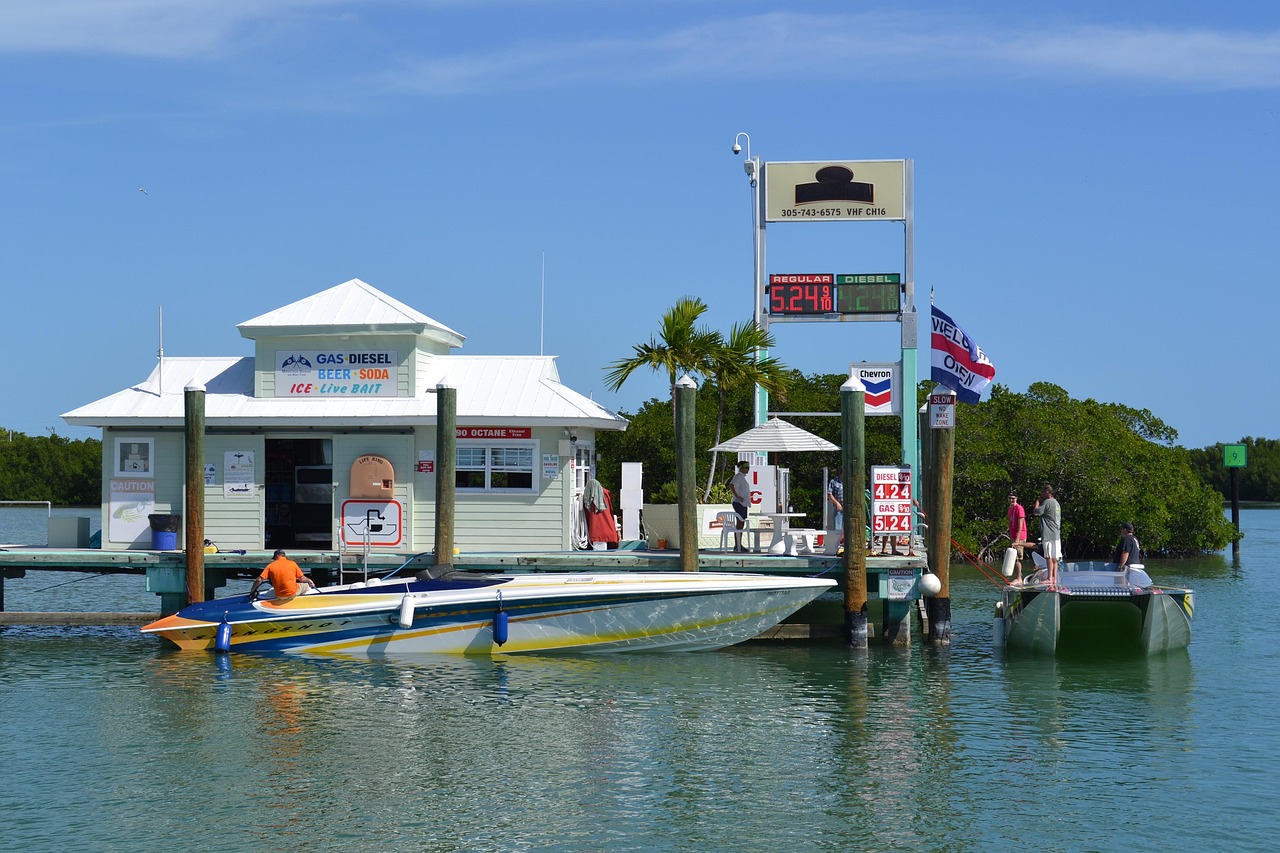
Boat gas stations, also called marine fuel docks, are specialized refueling stations designed for boats and watercraft. They provide gasoline, diesel, or ethanol blends suitable for marine engines. Unlike standard gas stations for cars, marine fuel docks often include:
Docking slips for easy access- Pumps designed for boat hoses
- Fuel additives and engine supplies
- Safety equipment like fire extinguishers
Some marinas offer fuel stations as part of their services, making it convenient to refuel while docking.
2. Types of Fuel Offered
Different boats require different types of fuel:
Gasoline (Petrol): Common for outboard and small inboard engines- Diesel: Used in larger inboard engines, yachts, and commercial vessels
- Ethanol blends (E10): May be used in compatible engines, but avoid high ethanol content for older motors
Always check your engine’s manufacturer guidelines to ensure you use the correct fuel type.
3. Safety Tips When Refueling Your Boat
Safety is critical at marine fuel docks. Follow these essential tips:
Turn off the engine and all electronics before refueling- No smoking or open flames near the fuel dock
- Ground yourself to prevent static electricity sparks
- Use approved marine fuel containers for extra fuel
- Avoid overfilling the tank to prevent spills
- Keep a rag handy for wiping up any accidental drips
- Ventilate the engine compartment after fueling
Following these precautions protects both your boat and the environment.
4. Locating Boat Gas Stations
Finding fuel for your boat can sometimes be challenging, especially in unfamiliar waters:
Marinas: Most marinas have fuel docks for members and visitors- Yacht clubs: Often provide fuel for club members or nearby boats
- Mobile apps and marine charts: Platforms like Navionics, Active Captain, and BoatUS help locate nearby fuel stations
- Harbor guides: Local boating guides often list fuel docks with hours and fuel types
Planning your route with fuel stops in mind ensures you won’t run out on the water.
5. Fueling Etiquette at Marinas
Being considerate at a fuel dock keeps everyone safe and ensures smooth operations:
Wait your turn and dock safely- Follow marina staff instructions
- Keep your lines and gear organized while fueling
- Limit idle time at the dock to avoid congestion
- Report any spills or accidents immediately
Good etiquette helps maintain a safe and friendly marina environment.
6. Alternative Fuel Options
Some modern boaters explore alternative fuels to reduce environmental impact:
Biofuels: Compatible with certain diesel engines- Electric charging stations: For electric or hybrid boats
- Propane or natural gas conversions: Less common but emerging in recreational boating
Check your engine compatibility before using alternative fuels.
7. Tips to Save Money on Boat Fuel
Boat fuel can be expensive. Here are some tips to reduce costs:
Fill up at off-peak times when prices are lower- Join marina loyalty programs or discount clubs
- Monitor fuel consumption and avoid excessive idling
- Plan routes efficiently to reduce unnecessary trips
Efficient fueling practices save money and reduce environmental impact.
Conclusion
Boat gas stations are a crucial part of boating life, offering fuel, convenience, and safety for all types of watercrafts. Understanding fuel types, safety practices, docking etiquette, and fuel-saving tips ensures a smooth and enjoyable boating experience. Planning ahead and knowing your options keeps your adventures on the water worry-free.