.png)
Ultimate Guide to Sleeping on a Boat Overnight: Boat Camping Tips for Boaters
By Admin
June 18, 2026
Sleeping aboard your vessel is one of the most rewarding experiences in the boating lifestyle, offering a unique connection to the water whether you're planning a casual overnight stay, extended boat camping, or a multi-day adventure. From bustling marinas and serene lakes to protected anchorages and coastal waters, understanding how to sleep safely and comfortably on a boat enhances every outing for boat owners, families, and marine enthusiasts.
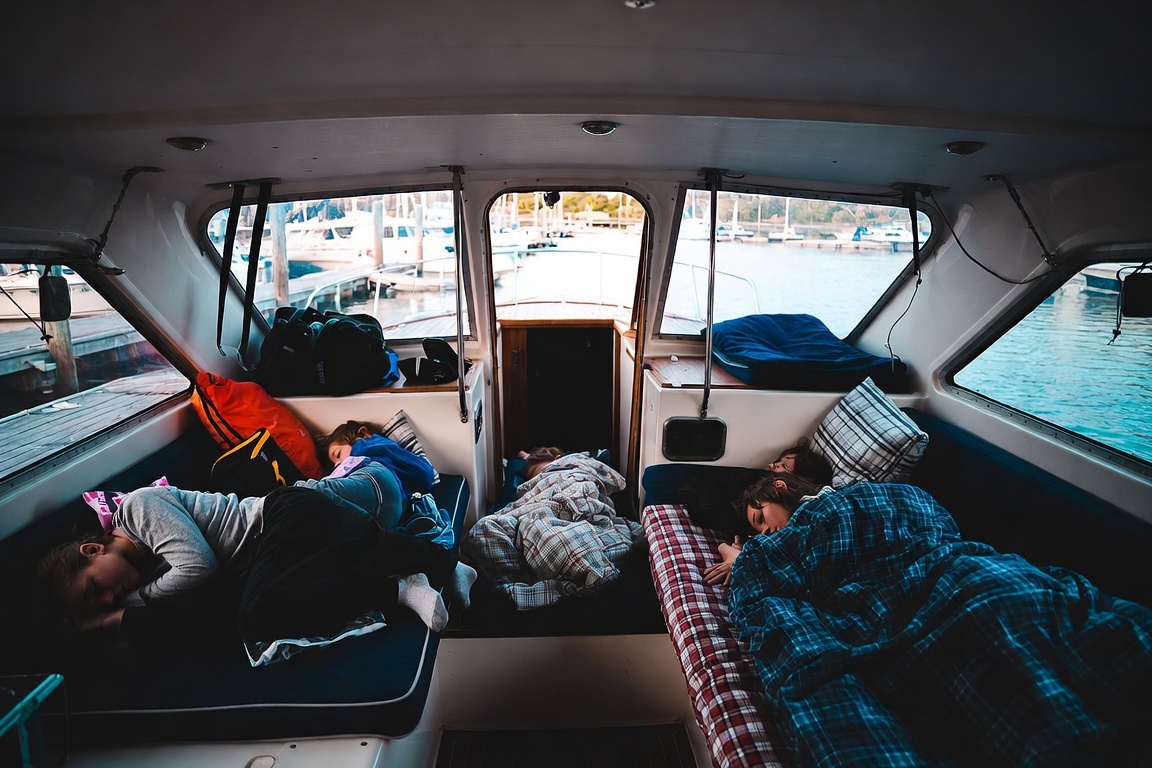
The gentle rocking of the hull, the sound of lapping waves, and the vast night sky create an unforgettable atmosphere. Many boaters, including families with children, find that the motion of the water promotes deep, restful sleep. For newcomers, preparation is key to navigating this dynamic environment with confidence.
What Is Boat Camping?
Boat camping involves spending one or more nights aboard your vessel rather than returning to shore. It’s popular among boat owners and buyers exploring new cruising grounds, minimizing lodging expenses, and immersing themselves in the marine environment. Options range from dockside stays in full-service marinas to remote anchorages, depending on your boat type, equipment, and experience level.
Best Locations for Sleeping on a Boat Overnight
Choosing the right spot is critical for safety and comfort. Here’s a comparison of common options:
Location | Difficulty | Comfort | LevelKey | Considerations
Marina | Easy | Medium-High | Access to power, restrooms, and services; potential dock noise and wakes
Protected Anchorage/Cove | Medium | Medium | Quiet and secluded; requires strong anchoring skills
Lake | Easy-Medium | Medium | Designated boat camping zones; check local rules for overnight mooring
Offshore/Ocean | Advanced | Low–Medium | Demands watch rotations, weather monitoring, and experienced crew
Marina | Easy | Medium-High | Access to power, restrooms, and services; potential dock noise and wakes
Protected Anchorage/Cove | Medium | Medium | Quiet and secluded; requires strong anchoring skills
Lake | Easy-Medium | Medium | Designated boat camping zones; check local rules for overnight mooring
Offshore/Ocean | Advanced | Low–Medium | Demands watch rotations, weather monitoring, and experienced crew
Pro Tip: Prioritize sheltered areas with minimal boat traffic, wind, and currents for the best night's rest.
Is It Safe to Sleep on a Boat?
Yes—sleeping on a boat is generally safe with proper planning. Select protected locations, use appropriate anchoring or mooring systems, and always monitor marine weather forecasts. Marinas provide higher safety for beginners due to controlled access and facilities, while offshore passages require advanced seamanship, including watch systems.
Where Can You Sleep on a Boat Overnight?
You can enjoy overnight stays in a wide variety of locations, but calm, protected waters yield the most restful sleep. Focus on areas with good holding for anchors, away from heavy night traffic, strong currents, and exposure to winds.
Can You Anchor Overnight Away from Shore?
Absolutely. Many waterways offer excellent anchoring spots for boat camping. Use nautical charts and apps to identify suitable coves or bays. Arrive with ample daylight to assess hazards like rocks, shallows, or reefs.
A reliable anchor system is essential. Match your anchor type (e.g., plow, fluke, or mushroom) to the seabed—mud, sand, or rock—and deploy sufficient scope (typically 5:1 to 7:1 or more in rough conditions) for secure holding. Test your setup in daylight and consider a second anchor or anchor watch for added peace of mind during overnight stays.
Can You Sleep on a Boat in a Marina?
Marinas rank among the top choices for overnight boat stays thanks to convenient amenities like shore power, fuel, pump-out stations, and marine services. However, policies vary: some welcome transient boaters, while others limit stay duration or prohibit liveaboards. Always contact the marina in advance and review their rules.
Opt for no-wake zones to minimize rocking. Dock lines and fenders can create noise at night—earplugs are a smart addition. Note that swimming or fishing near docks may be restricted due to electrical systems.
For more marina options and services, explore listings on platforms like Boat and Parts, the premier buying and selling marketplace for boat owners, buyers, marine service providers, boat trailers, and accessories.
Can You Sleep on a Boat in the Ocean?
Ocean passages differ significantly from protected waters. Deep water prevents easy anchoring, so the vessel stays underway with crew rotating watches (typically 3–4 hours) to maintain lookout for traffic and weather. Motion can be more pronounced—use lee cloths or boards in berths to prevent rolling out of bed.
Prepare for seasickness with remedies like scopolamine patches if needed, and ensure your boat is equipped for extended offshore cruising.
Can You Sleep on a Boat on a Lake?
Lake boat camping is popular and accessible. Many lakes feature designated anchoring or mooring areas with requirements for onboard sleeping accommodations and Coast Guard-approved sanitation systems. State and national park lakes often enforce specific mooring distances, registration, and anchor light rules. Research local regulations to ensure compliance.
How to Sleep Comfortably on a Boat
Preparation transforms any vessel into a cozy overnight retreat:
- Lighting and Safety: Pack LED headlamps, flashlights, and extra batteries for navigation and emergencies.
- Bedding and Clothing: Include warm layers, pajamas, sheets, blankets, or sleeping bags to handle cooler nights on the water.
- Quiet Hours: Agree on evening routines with your crew for uninterrupted rest.
- Noise and Light Control: Use eye masks and soft earplugs to block disturbances.
- Insect Protection: Install screens, mosquito netting, and apply bug repellent, especially in warmer climates.
- Additional Comforts: Secure loose items, improve ventilation, and consider inflatable mattresses or cushions for better support.
Frequently Asked Questions About Sleeping on a Boat
Is it safe to sleep on a boat?
Yes, when you select sheltered spots, anchor correctly, and stay informed about conditions. Marinas are ideal for beginners.
Yes, when you select sheltered spots, anchor correctly, and stay informed about conditions. Marinas are ideal for beginners.
Are you allowed to sleep on your boat?
Generally yes, but local marina policies, lake rules, and anchoring regulations apply. Always verify in advance.
Generally yes, but local marina policies, lake rules, and anchoring regulations apply. Always verify in advance.
How do people sleep on boats?
In cabins, V-berths, settees, or custom setups. Proper ventilation, secure bedding, and minimizing motion enhance comfort.
In cabins, V-berths, settees, or custom setups. Proper ventilation, secure bedding, and minimizing motion enhance comfort.
Is it hard to sleep on a boat?
The first night can feel different due to motion and sounds, but most boaters adapt quickly and enjoy the soothing rock of the water.
The first night can feel different due to motion and sounds, but most boaters adapt quickly and enjoy the soothing rock of the water.
What is the best place to sleep on a boat?
A calm, protected marina slip or well-anchored cove with minimal traffic and wind exposure.
A calm, protected marina slip or well-anchored cove with minimal traffic and wind exposure.
What boats are suitable for sleeping?
Cabin cruisers, houseboats, sailboats with berths, and many center-console or fishing boats equipped for overnight use. Liveaboards offer maximum comfort.
Cabin cruisers, houseboats, sailboats with berths, and many center-console or fishing boats equipped for overnight use. Liveaboards offer maximum comfort.
Can you sleep on a boat anywhere?
Many locations welcome it, but always respect local laws, protected areas, and private property. Check regulations for your cruising grounds.
Many locations welcome it, but always respect local laws, protected areas, and private property. Check regulations for your cruising grounds.