• Use simple terms - we'll help you find what you need!
Boat Speed Guide: Safe Speeds, Speed Limits & Boating Safety Tips for Every Captain
By Admin
June 18, 2026
Understanding boat speed and knowing how to operate at a safe speed is essential for every boat owner and operator. Whether you're cruising on a lake, navigating coastal waters, or exploring open ocean, proper speed management directly impacts safety, comfort, and enjoyment on the water.
From pontoon boats and bass boats to high-performance speedboats and personal watercraft, average speeds vary widely. This comprehensive guide covers safe boating speeds, key factors to consider, speed limits, and best practices to help you stay safe while maximizing your time on the water.
Average Boat Speeds by Type
Boat speeds depend on hull design, engine power, load, and conditions. Here are typical ranges:
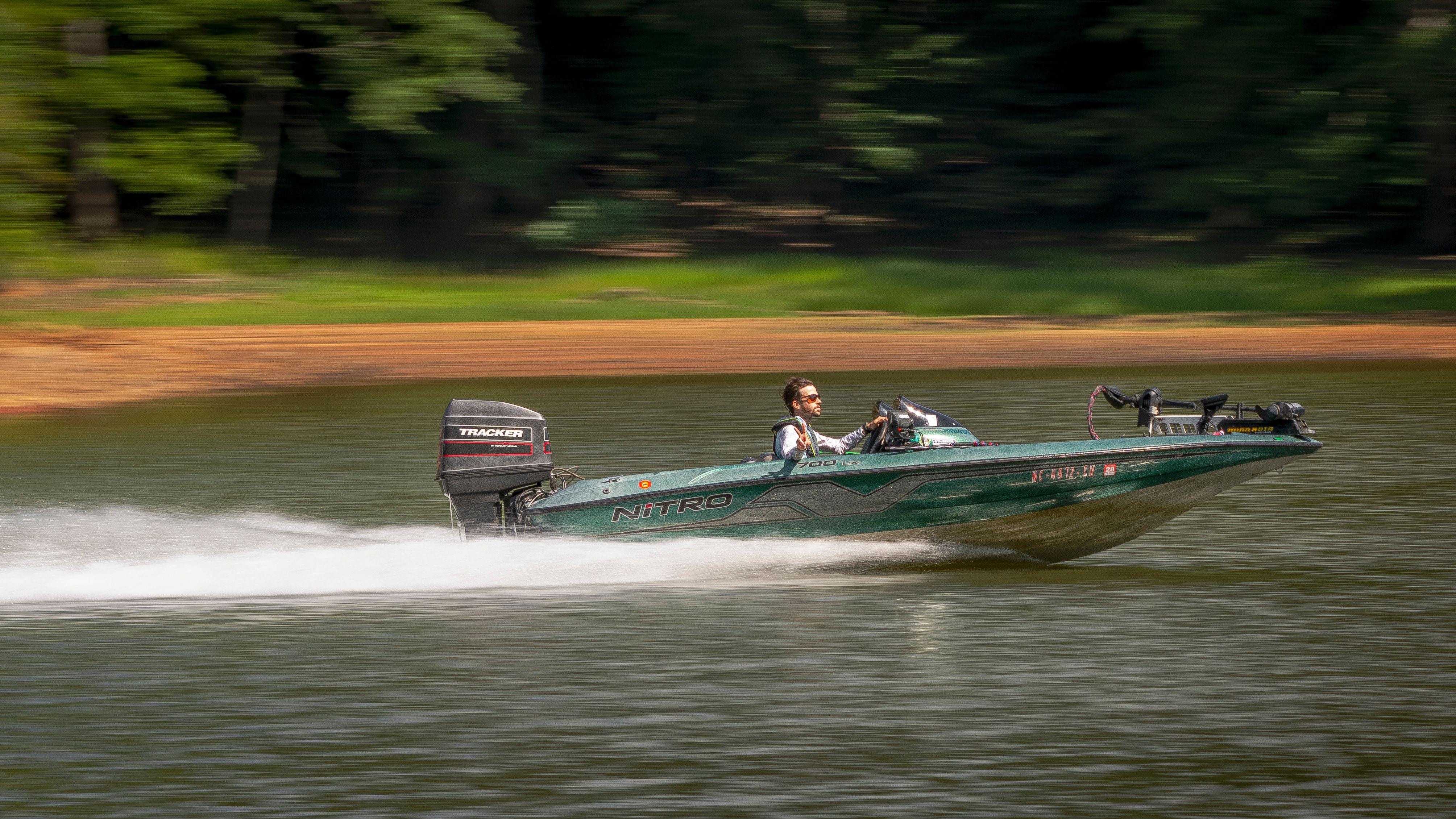
Boat Type | Average | SpeedNotes Sailboat | 5–8 knots | Depends on wind conditions Pontoon Boat | 15–30 mph | Family-friendly cruising Bass Boat | 20–40 mph | Great for fishing and performance Speed Boat / Runabout | 40–60+ mph | High-performance models Personal Watercraft (PWC / Jet Ski) | 40–70 mph | Highly maneuverable
Speeds can vary significantly based on weather, water conditions, and boat modifications.
Choosing the Right Boat for Your Speed Needs
Selecting a vessel that matches your desired performance is key. Power boats, center consoles, and high-horsepower models offer thrilling speeds, while sailboats and pontoons provide relaxed cruising.
Explore a wide selection of new and used boats, trailers, engines, and marine accessories on Boatandparts.com — the leading online marketplace connecting boat owners, buyers, marine service providers, and dealers.
What Is Considered a Safe Speed for a Boat?
A safe boat speed allows the operator full control, enough time to avoid hazards, and a comfortable ride for everyone on board. There is no universal fixed speed — it must be adjusted constantly based on current conditions.
Safe operation means you can stop or maneuver in time to prevent collisions, while protecting passengers, other boaters, and marine life.
How Do You Know When You Are Operating at a Safe Speed?
Operate your vessel at a speed that gives you adequate time and distance to react to hazards. Key practices include:
Always obey posted speed limits and no-wake zones
Maintain safe distance when passing other vessels
Never race or operate recklessly
Stay within manufacturer-recommended speeds
Ensure everyone wears life jackets and the kill switch is used
Higher chance of collisions with other boats, objects, or swimmers
Reduced maneuverability and longer stopping distances
Risk of capsizing or ejection
Damage to marine wildlife and the environment
Potential fines, license suspension, or legal liability
According to U.S. Coast Guard data, many boating accidents and fatalities are linked to unsafe speed and operator inattention.
Key Factors That Determine Safe Boat Speed
Visibility — Fog, rain, darkness, or glare require slower speeds
Sea and Water Conditions — Waves, currents, and tides
Boat Traffic — Busy areas demand extra caution
Boat Type and Size — Larger/heavier boats take longer to stop
Water Depth — Shallow areas increase grounding risk
Passengers — Consider comfort and safety of everyone aboard
Hazards — Buoys, debris, divers, and navigational markers
Boating Speed Limits in the US
Speed limits vary by state and waterway. Common examples include:
No-Wake / Idle Speed Zones: Minimal or no wake near shore, docks, or swimmers
5 mph Zones: Common near shorelines, marinas, and swimming areas
State-specific rules (e.g., New York, California, Texas, Michigan) often set limits within certain distances of shore or in protected waters
Always check local regulations and signage.
How Boat Speed Is Measured (Knots vs MPH)
Marine navigation primarily uses knots. 1 knot ≈ 1.15 mph (1.85 km/h). Understanding both units helps when reading charts and manufacturer specs.
Frequently Asked Questions About Boat Speed
What is considered fast for a boat? 40+ mph is fast for most recreational boats. High-performance models can exceed 60 mph.
Is 20 knots fast? 20 knots (≈23 mph) is moderate for many power boats but can feel fast in rough conditions.
Is 40 knots fast? Yes — 40 knots (≈46 mph) is very fast and typical only for high-performance vessels.
What makes a boat fast? Hull design, lightweight construction, powerful engines, and planing hulls.
What is the speed limit on a boat? It varies by location. Many areas use no-wake zones (5 mph or less) while open water relies on “safe speed” judgment.
.png)