.png)
How to Find the Best Place to Store Your Boat: A Complete Guide
By Admin
December 29, 2025
Proper storage is essential to keep your boat safe, secure, and in good condition when it’s not in use. Whether you own a small fishing boat, a sailboat, or a larger powerboat, finding the right storage solution can protect your investment, prevent damage, and save you money in the long run. This guide will help you choose the best place to store your boat safely and conveniently.
1. Understand the Types of Boat Storage
Before choosing a storage location, it’s important to know the main options available:
a) Dry Stack Storage
Boats are stored on racks in a covered facility- Offers protection from weather, sun, and saltwater
- Staff usually assist with launching and retrieval
- Ideal for smaller boats and owners who want convenience
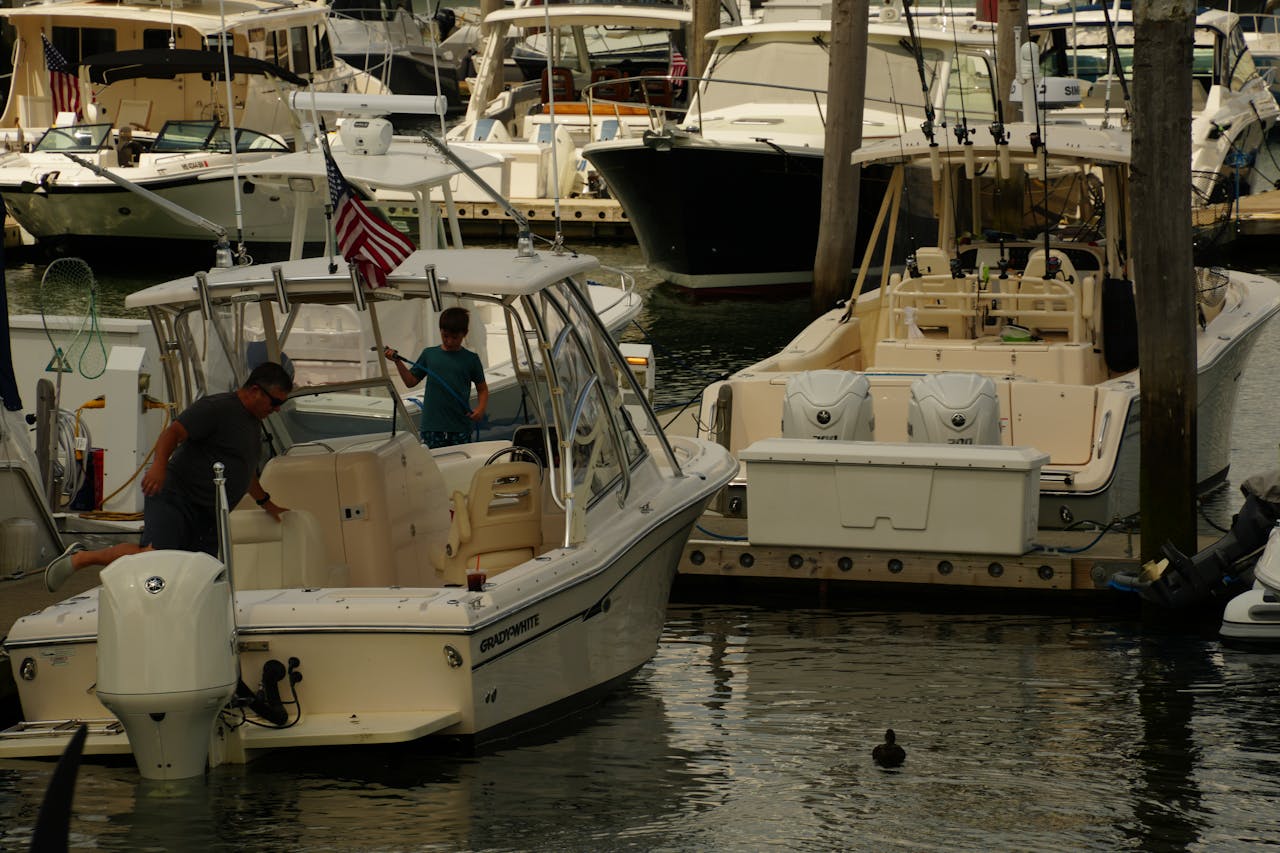
b) Marina / boat club Slip or Dock Storage
Boats remain in the water at a marina or dock- Provides immediate access for frequent use
- Offers amenities like power, water, and security
- May require more maintenance due to constant water exposure
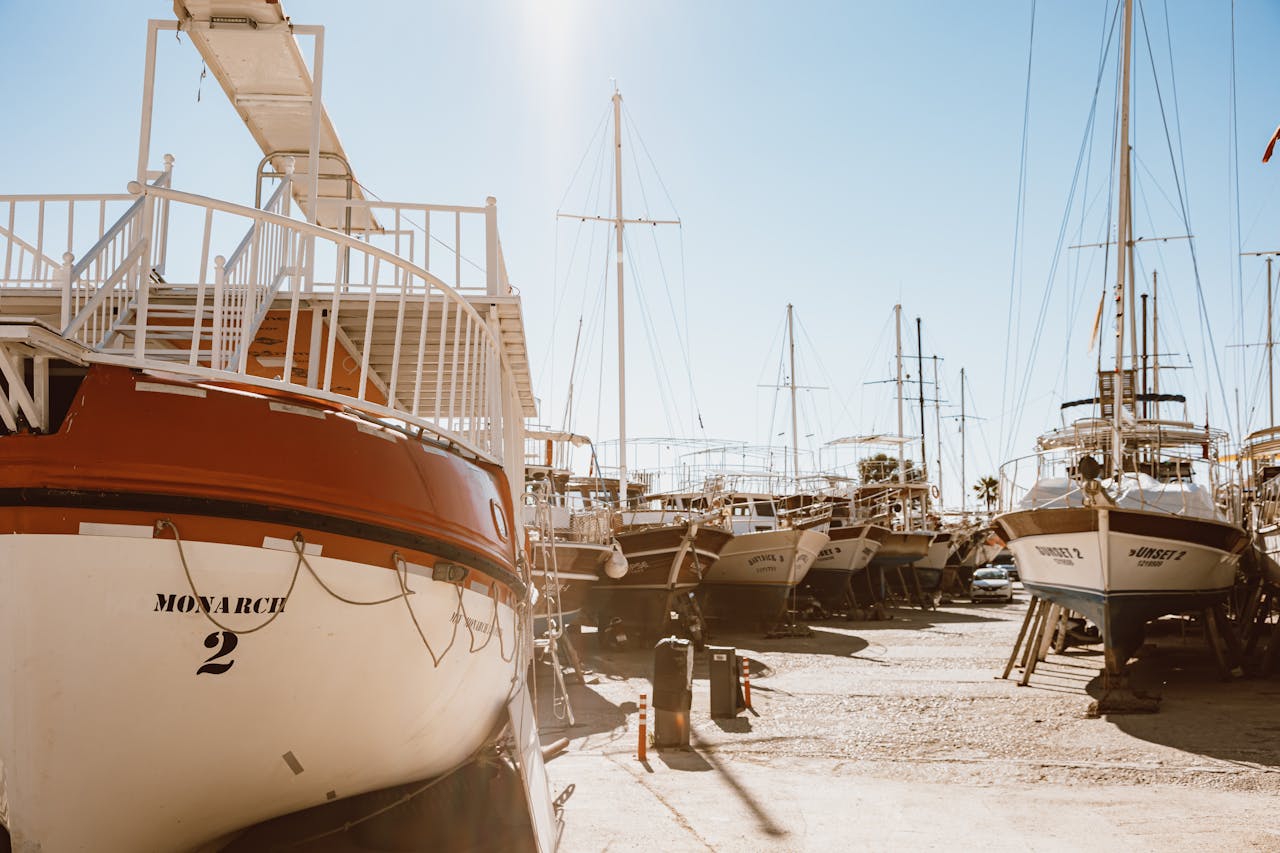
c) Outdoor Storage / Parking Lot
Boats are stored on trailers in open lots- Cost-effective, but limited protection from sun, rain, and wind
- Covers or tarps can add some protection
- Suitable for seasonal storage or less frequently used boats
d) Covered or Indoor Storage
Boats are stored in garages, warehouses, or sheds- Maximum protection from weather, UV, and vandalism
- Often more expensive but preserves the boat’s condition
- Ideal for high-value boats or long-term storage
2. Consider Climate and Weather
The local climate plays a big role in storage decisions:
Harsh winters: Indoor or covered storage prevents freezing damage- Hot, sunny areas: Covered storage protects against UV damage and fading
- Coastal or humid regions: Dry storage reduces risk of corrosion and mold
Choosing storage that matches your climate minimizes maintenance and prolongs your boat’s life.
3. Prioritize Security and Accessibility
A secure storage location protects your investment:
Look for gated facilities, surveillance cameras, and staff monitoring- Ask about insurance coverage or theft protection policies
- Consider accessibility—how easily can you launch or retrieve your boat?
- 24/7 access may be important if you use your boat frequently
Balancing security and convenience ensure peace of mind.
4. Assess Size and Amenities
Different boats require different accommodation:
Ensure the storage spot fits your boat’s length, width, and height- Check if the facility offers trailers, lifts, or ramps for easy launching
- Additional amenities like electricity, water, and maintenance services can be beneficial
Choosing a storage solution that meets your needs saves time and hassle.
5. Evaluate Cost vs. Benefits
Boat storage prices vary depending on type and location:
Dry stack and indoor storage are typically more expensive than outdoor lots- Marina slips may have seasonal or monthly fees
- Factor in added benefits like security, convenience, and maintenance services
Compare costs and features to find the best value for your budget.
6. Consider Seasonal or Long-Term Storage
Determine how often you’ll use your boat:
Seasonal storage: Ideal for winter or off-season months- Long-term storage: Suitable if you plan to leave the boat unused for months or years
- Ask about contract length, early access fees, and any seasonal promotions
Choosing the right storage term can reduce costs and fit your boating schedule.
7. Check Reviews and References
Before committing to a storage facility:
Read online reviews and testimonials- Ask fellow boaters for recommendations
- Visit the facility in person to inspect cleanliness, security, and staff professionalism
A well-reviewed facility indicates reliable service and proper care for your boat.
8. Prepare Your Boat for Storage
Regardless of the storage type, preparation is key:
Clean and dry your boat thoroughly- Treat the fuel system and change engine oil if storing long-term
- Remove personal items and electronics
- Use a boat cover or shrink-wrap for outdoor storage
Proper preparation protects your boat during storage and prevents damage.
Conclusion
Finding the best place to store your boat requires balancing protection, convenience, and cost. By understanding storage types, considering climate, prioritizing security, and preparing your boat properly, you can ensure your boat remains in excellent condition year-round. Proper storage not only protects your investment but also makes your boating experience safer and more enjoyable.