.png)
How to Buy a Used Boat: Step-by-Step Guide
By Admin
December 29, 2025
Buying a used boat can be a smart way to enjoy the water without paying the full price of a new vessel. However, it requires careful planning and inspection to avoid costly mistakes. This step-by-step guide will walk you through the process of buying a used boat safely and confidently.
1. Determine Your Budget
Before shopping, decide how much you can spend. Remember to include:
Purchase price of the boat- Registration and taxes
- Insurance
- Maintenance and repairs
- Fuel and storage
Having a clear budget prevents overspending and helps narrow your options.
2. Choose the Right Type of Boat
Consider what type of boating you plan to do:
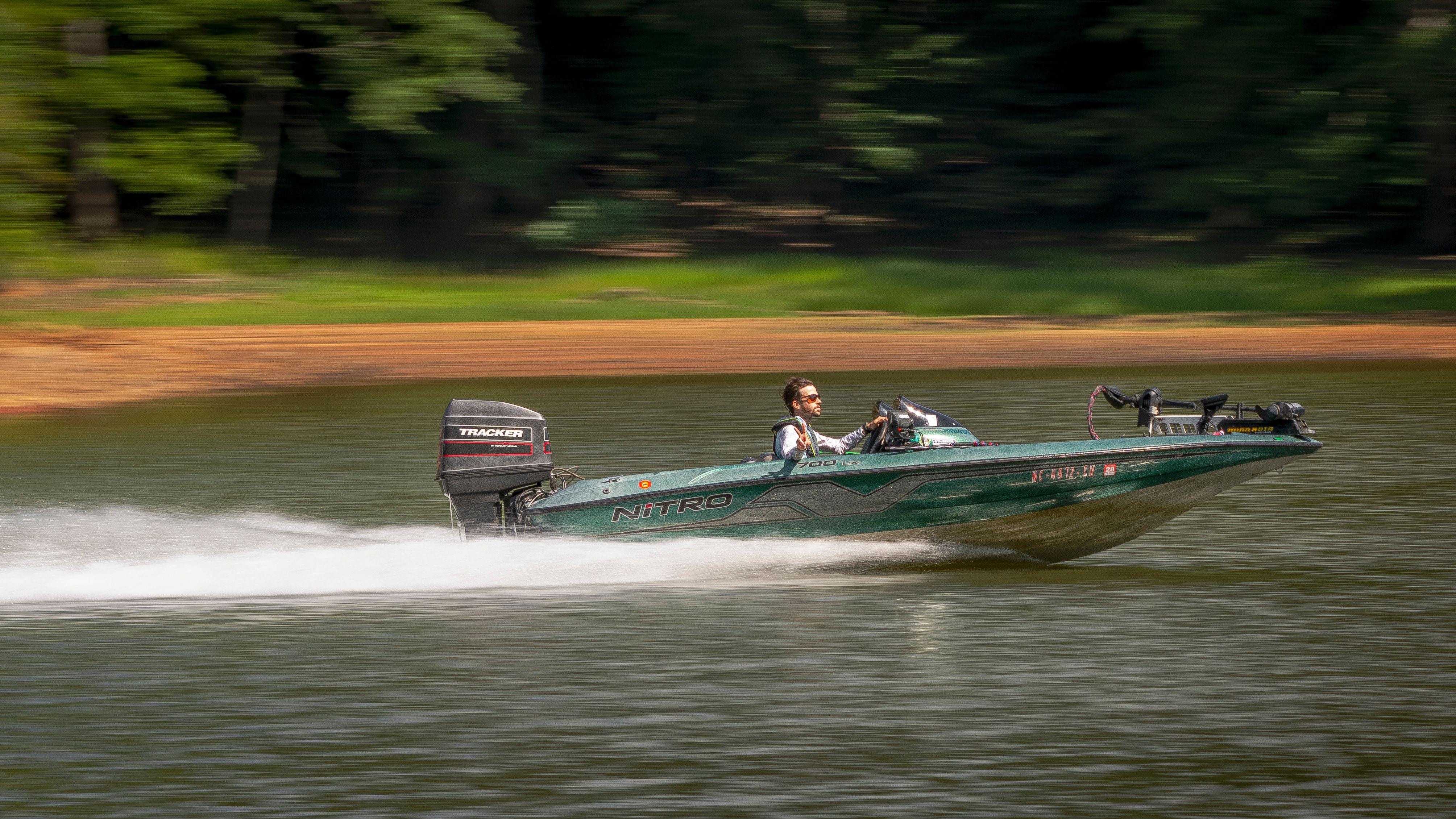
Fishing boats: Ideal for freshwater or saltwater fishing trips- Sailboats: Great for those who enjoy sailing and relaxation
- Pontoon boats: Perfect for family and leisure activities
- Bowriders / Runabouts: Versatile for water sports and cruising
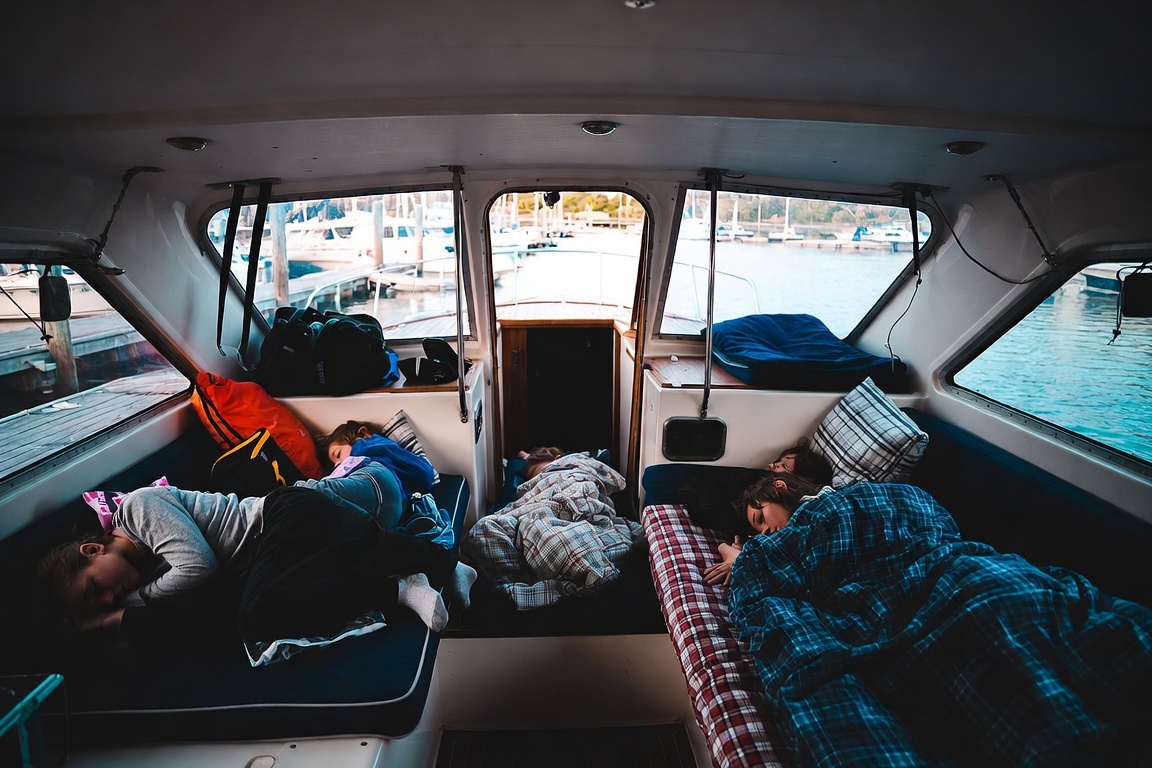
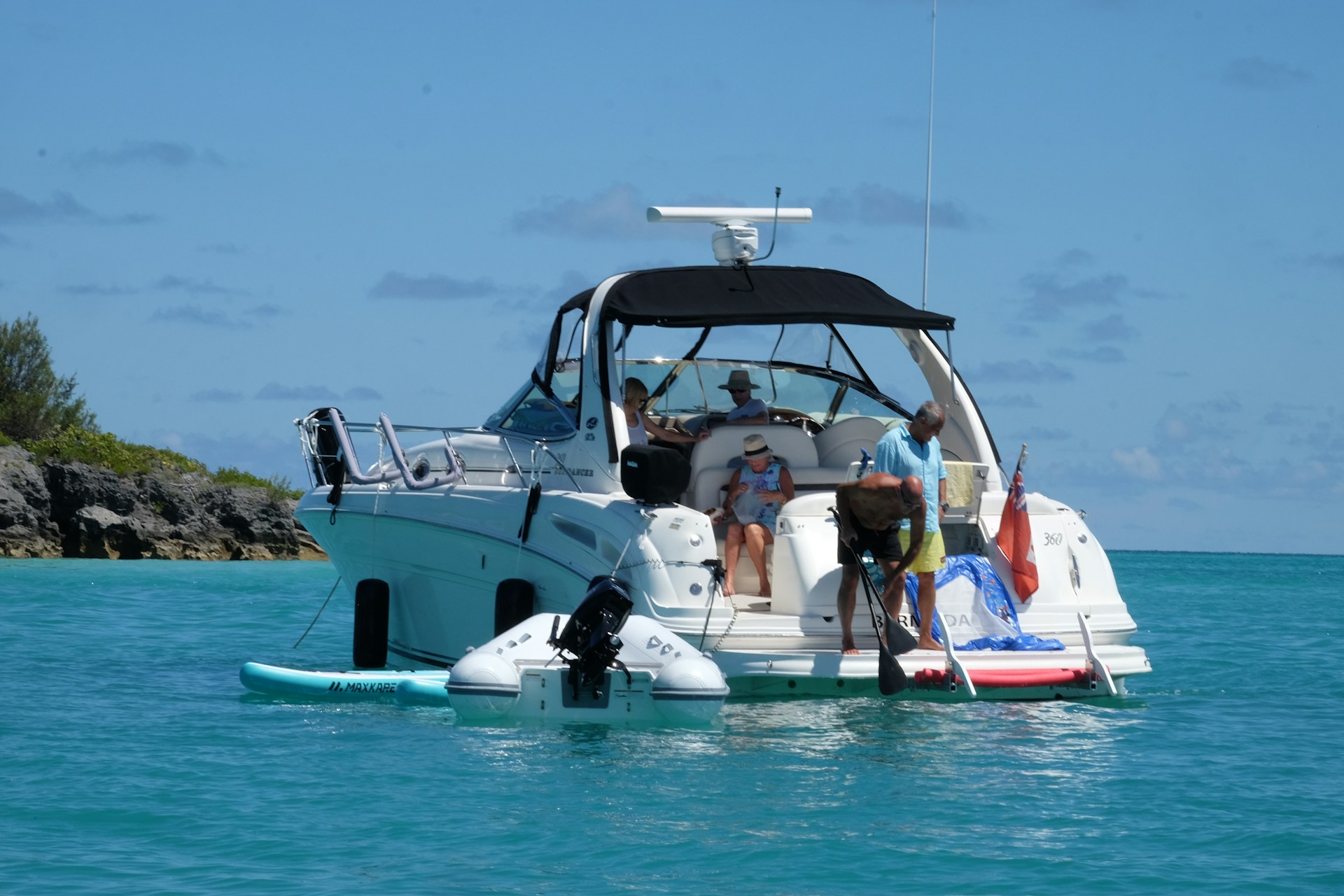
- Cabin cruisers / Yachts: Larger boats with overnight accommodations
Your boating lifestyle will guide the type, size, and features you need.
3. Research Boats for Sale
Use online marketplaces, dealerships, and boat listings to find options. Pay attention to:
Year, make, and model- Engine type and hours
- Condition of hull and deck
- Included accessories and equipment
Compare prices to understand the market value of the boats you are interested in.
4. Check the Boat’s History
A boat’s history can reveal potential issues:
Ask for maintenance records- Check for accident or damage reports
- Verify ownership and title documentation
- Look for liens or unpaid fees
Knowing the boat’s past can save you from unexpected costs later.
5. Inspect the Boat in Person
Always inspect the boat before making a purchase. Key areas to check:
Hull: Look for cracks, blisters, or damage- Deck and cockpit: Check for soft spots or water damage
- Engine: Ensure it runs smoothly and check for leaks
- Electrical system: Test lights, gauges, and switches
- Interior: Check upholstery, cabin, and storage areas
Consider hiring a marine surveyor for a professional inspection.
6. Take a Test Drive
A test drive is essential to evaluate the boat’s performance:
Test in conditions similar to how you plan to use it- Listen for unusual engine noises
- Check handling, steering, and throttle response
- Test braking and docking maneuvers (if applicable)
This will help you spot potential problems before buying.
7. Negotiate the Price
Use your research and inspection results to negotiate:
Factor in needed repairs or upgrades- Consider the age and condition of the boat
- Be prepared to walk away if the deal isn’t fair
Negotiation can save you hundreds or even thousands of dollars.
8. Verify Documentation and Transfer Ownership
Before finalizing the sale:
Ensure the title is clear and signed over correctly- Check for any outstanding loans or liens
- Obtain a bill of sale
- Register the boat with your state or country
- Consider marine insurance before taking possession
Proper documentation protects you legally and financially.
9. Prepare for Ongoing Costs
Owning a used boat involves ongoing expenses:
Routine maintenance and repairs- Fuel and storage fees
- Insurance renewal
- Safety equipment upgrades
- Accessories or upgrades
Plan for these costs to enjoy your boat without surprises.
10. Enjoy Your Boat!
Once the paperwork is done and the boat is ready, it’s time to enjoy your new vessel. Whether it’s fishing, sailing, cruising, or spending weekends on the water, responsible ownership ensures a safe and fun boating experience.
Tips for a Successful Used Boat Purchase
Always inspect and sea-trial before buying- Avoid buying a boat solely based on appearance
- Don’t skip a marine surveyor inspection for larger or expensive boats
- Ask questions about engine hours, maintenance, and upgrades
- Trust your instincts; if something feels off, move on