.png)
Essential Boat Safety Tips for Every Type of Watercraft
By Admin
December 29, 2025
Boating is one of the most enjoyable ways to spend time on the water, but safety should always come first. Whether you own a small fishing boat, a sailboat, or a large motor yacht, following essential safety tips protects you, your passengers, and other water users. This guide covers the most important safety practices for every type of watercraft.
1. Wear Life Jackets at All Times
The most important safety rule on any boat is wearing a life jacket:
Make sure each passenger has a properly fitting Coast Guard-approved personal flotation device (PFD)- Keep extra life jackets onboard for unexpected guests
- Children, elderly passengers, and non-swimmers should always wear a life jacket, even if the boat is docked
Life jackets save lives, especially in unexpected emergencies.
2. Check the Weather Before Heading Out
Weather conditions can change quickly on the water:
Always check the local marine forecast before departure- Avoid boating in storms, high winds, or rough seas
- Be aware of tides, currents, and water levels, especially in coastal areas
Having a weather plan reduces the risk of accidents and allows safe navigation.
3. Perform a Pre-Departure Safety Check
Before leaving the dock, inspect your boat and equipment:
Test the engine and fuel system for leaks- Check navigation lights, bilge pumps, and electronics
- Ensure fire extinguishers are fully charged and accessible
- Inspect ropes, anchors, and docking equipment
A quick pre-departure check prevents small issues from turning into emergencies.
4. Carry Essential Safety Equipment
All boats should carry basic safety items:
Life jackets and throwable devices- Fire extinguishers
- Flares and signaling devices
- First aid kit
- Anchor with sufficient line
- VHF radio or other communication devices
Ensure everyone onboard knows the location and proper use of each item.
5. Follow Navigation Rules and Regulations
Every waterway has rules that help prevent accidents:
Maintain a safe speed for conditions- Keep a proper lookout for other vessels, swimmers, and obstacles
- Understand right-of-way rules (e.g., sailboats often have priority over powerboats)
- Comply with local boating laws and registration requirements
Following navigation rules keeps everyone on the water safe.
6. Practice Safe Boating Techniques
Good boating habits reduce risk:
Avoid alcohol or drugs while operating the boat- Keep passengers seated while the boat is moving
- Use kill switches on smaller motorboats for added safety
- Ensure children and inexperienced passengers know safety rules
Safe operation protects you, passengers, and your vessel.
7. Maintain Communication and Emergency Plans
Always have a way to call for help (VHF radio, cell phone in a waterproof case)- File a float plan with a friend or family member detailing your route and estimated return time
- Review emergency procedures with all passengers, including man-overboard and fire response
Communication and planning make emergencies easier to handle.
8. Perform Regular Maintenance
Routine maintenance ensures your boat remains safe and reliable:
Inspect engines, propellers, and fuel systems- Check the hull and deck for damage or leaks
- Test bilge pumps and Electrical Systems
- Maintain life jackets, fire extinguishers, and other safety gear
Preventive maintenance reduces the risk of breakdowns and accidents.
9. Adapt Safety Practices to Your Watercraft Type
Different types of boats require specific safety considerations:
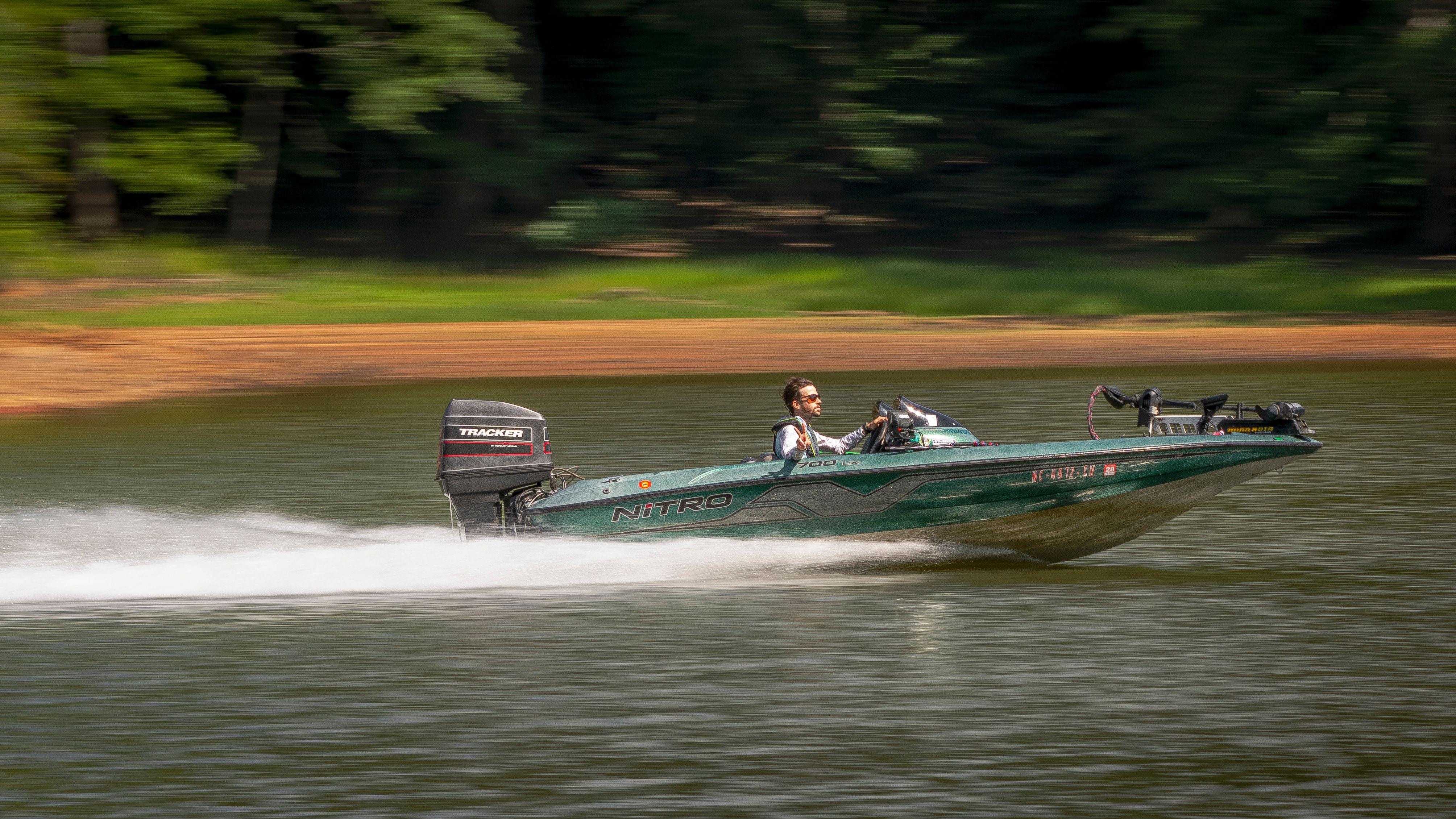
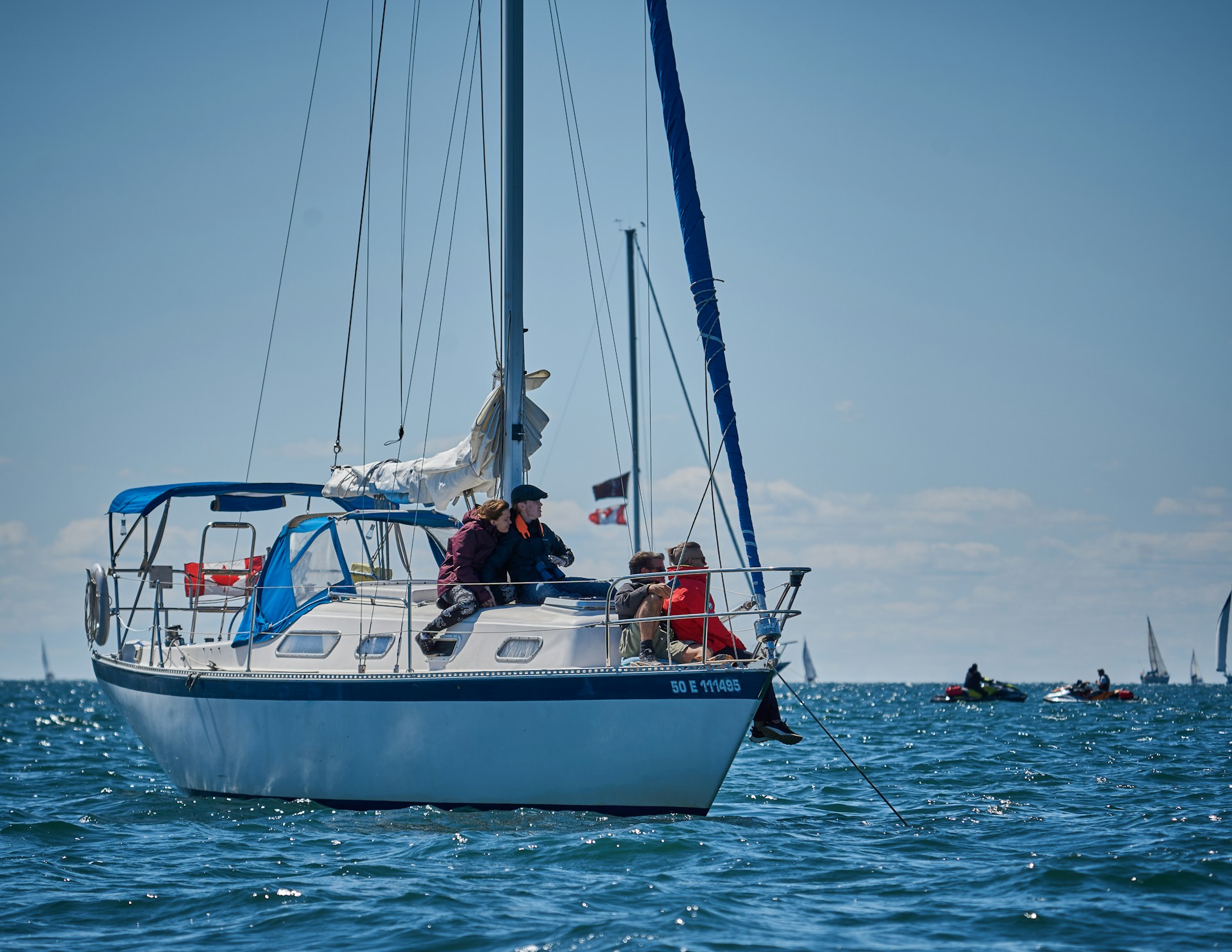
Fishing boats: Keep tackle and equipment organized to prevent tripping hazards- Sailboats: Wear harnesses in rough conditions and know how to reef sails safely
- Pontoon boats: Avoid overloading and maintain balance across the deck
- Personal watercraft (jet skis): Use a lanyard kill switch and maintain distance from other boats
Tailoring safety practices ensures effective protection for your particular vessel.
10. Educate Yourself Continuously
Boating safety is a lifelong learning process:
Take a boating safety course through organizations like the US Coast Guard or US Sailing- Stay updated on local regulations, navigation charts, and seasonal hazards
- Learn first aid and CPR
The more knowledgeable you are, the safer your boating experience will be.
Conclusion
Safety on the water is not optional it’s essential. By wearing life jackets, checking the weather, carrying proper safety gear, following navigation rules, and maintaining your boat, you ensure that every outing is enjoyable and risk-free. Every watercraft, from small fishing boats to large yachts, requires careful attention to safety.
Remember, responsible boating is fun boating. Stay safe, plan ahead, and enjoy the water with confidence.