.png)
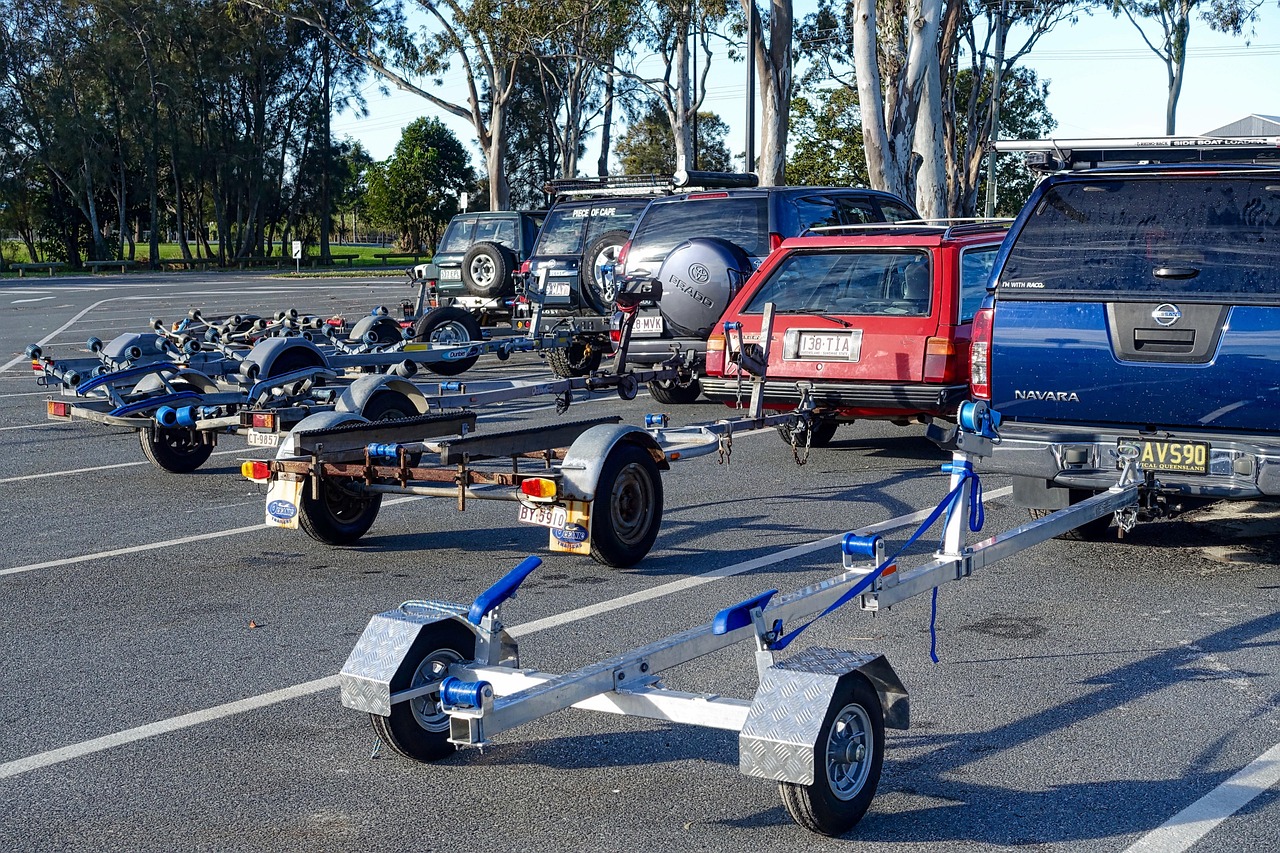
What You Need to Know When Buying a Boat Trailer
By Admin
December 29, 2025
Buying a boat trailer is just as important as buying the boat itself. The right trailer will keep your vessel safe, make transport easier, and protect your investment for years to come. Whether you're shopping for a new trailer or a used one, understanding the key features, sizing, materials, and legal requirements will help you make the right choice.
This guide covers everything you need to know before purchasing a boat trailer
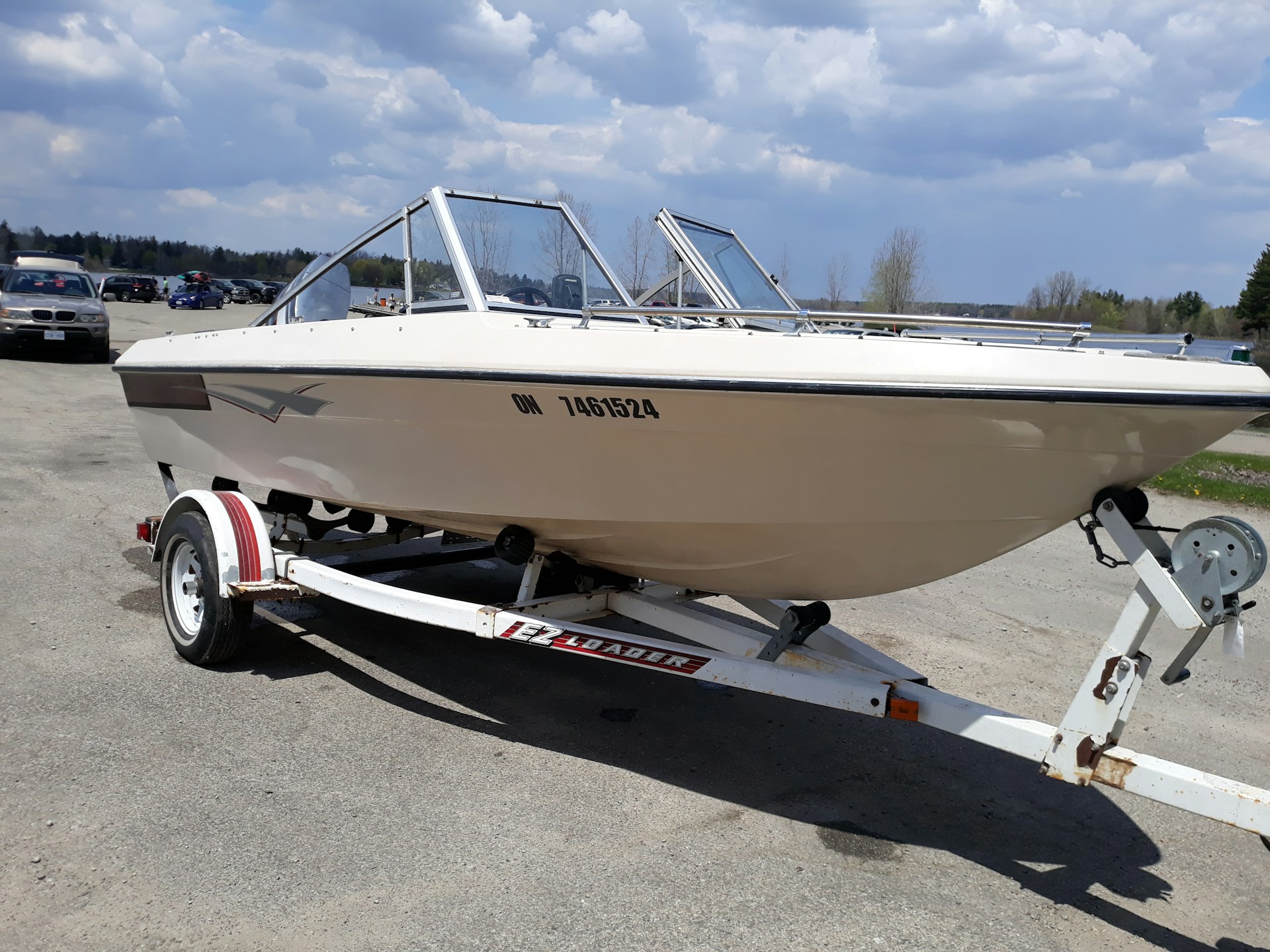
1. Know Your Boat’s Size and Weight
The first step is making sure the trailer can safely support your boat.
Important measurements:
Boat length (from bow to stern)- Beam width (widest part of the boat)
- Dry weight (boat alone)
- Loaded weight (fuel, gear, batteries, engine, etc.)
Trailer load capacity
Make sure the trailer’s Gross Vehicle Weight Rating (GVWR) is greater than your boat’s loaded weight.
A good rule: Boat weight + 15% extra capacity = proper trailer size
2. Trailer Frame Materials: Steel vs. Aluminum
Boat trailers are typically built from galvanized steel or aluminum, each with its own advantages.
Galvanized Steel Trailers
Pros:
Strong and durable- Better for heavy boats
- Usually less expensive
Cons:
Can rust over time- Heavier than aluminum
Aluminum Trailers
Pros:
Lightweight, easier to tow- Corrosion-resistant is excellent for saltwater
- Better resale value
Cons:
Higher cost- Not as strong for extremely heavy loads
Tip: If you boat in saltwater, aluminum is usually the better choice.
3. Bunk vs. Roller Trailers
The style of trailer will affect how easy it is to load and unload your boat.
Bunk Trailers
Use carpeted wooden bunks- Best for fiberglass boats
- More stable during transportation
- Lower maintenance
- Less expensive
Roller Trailers
Use multiple rolling supports- Easier launching in shallow ramps
- Good for larger boats
- Higher cost
- More parts to maintain
Most buyers choose bunk trailers unless they frequently launch in very shallow or tricky ramps.
4. Axles: Single, Tandem, or Triple
The number of axles affects towing performance and safety.
Single Axle
For smaller boats- Easier to maneuver
- Low maintenance
- Less expensive
Tandem Axle
For mid-sized boats- Better stability
- Can handle more weight
- Safer for long distances
Triple Axle
For very large boats- Superior weight capacity
- Improved highway stability
Choose based on your boat weight and how far you plan to tow.
5. Brakes: Required in Most States
Depending on the weight of your boat and trailer, brakes may be legally required.
Two common systems:
Surge brakes – hydraulic, common, low maintenance- Electric brakes – responsive, need a brake controller
Check your state laws, but most require brakes once the trailer exceeds 3,000 lbs. GVWR.
6. Tires, Wheels, and Suspension
Boat trailer tires must be ST-rated (Special Trailer).
Things to check:
Tire load rating (must match your GVWR)- Tire age (replace if older than 5–6 years)
- Leaf spring or torsion suspension
- Proper wheel bearings
Torsion Axles
Smoother ride- Require less maintenance
Leaf Springs
More affordable- Easier to replace
7. Lights and Wiring
Boat trailer lights must be waterproof and comply with DOT standards.
Look for:
LED submersible lights- Proper grounding
- Clean wiring harness
- Working brake lights & turn signals
Saltwater can quickly damage lights, so LED is recommended.
8. Trailer Fit and Adjustability
A good trailer should align with the hull shape.
Check that:
Bunks or rollers match hull design- Winch height is adjustable
- Bow stop fits properly
- Boat sits level on the trailer
A poorly-fitted trailer can damage your hull.
9. Used Trailer Inspection Guide
If you’re buying a used trailer, inspect carefully:
Rust or corrosion- Cracks in the frame
- Tire condition (tread + age)
- Bent axles
- Bearing noise
- Worn bunks or rollers
- Working lights
- Paperwork (VIN, registration)
A used trailer can save you thousands but only if it's in good condition.
10. Consider Where You Store the Trailer
Your storage situation helps determine the best trailer type.
Questions to ask:
Do you store it outdoors? Aluminum resists corrosion.- Do you need a folding tongue for garage space?
- Will you tow long distances? Tandem axles may be best.