.png)
Learning the Different Parts of a Powerboat: A Complete Guide
By Admin
December 29, 2025
Powerboats are some of the most popular boats on the water, offering speed, versatility, and the thrill of motorized boating. Whether you’re a new boat owner, a buyer, or just curious about boating, understanding the different parts of a powerboat is essential for safety, maintenance, and overall enjoyment.
This guide breaks down the key components of a powerboat and explains their purpose in simple, beginner-friendly terms.
1. The Hull: The Foundation of Your Boat
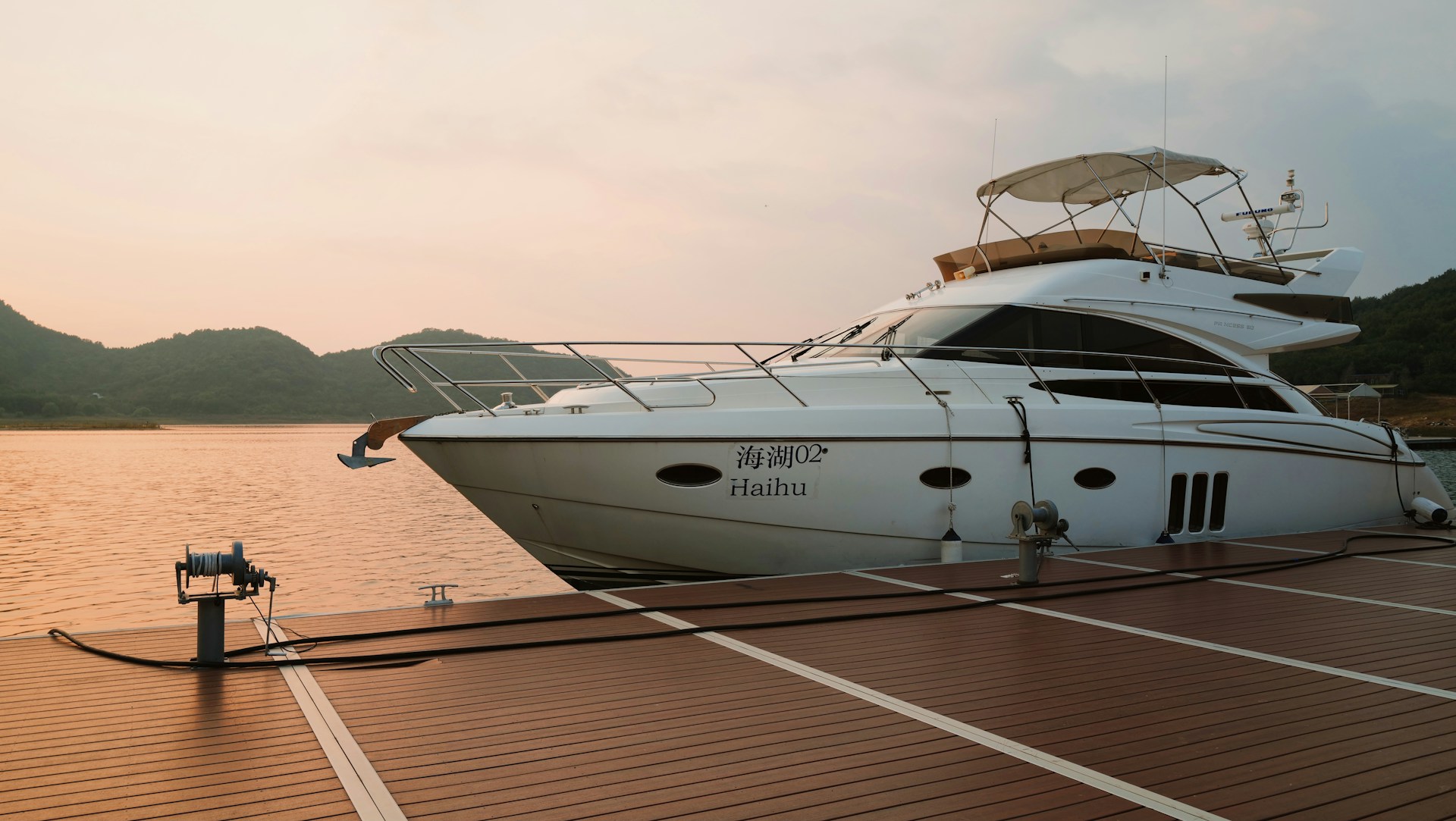
The hull is the main body of the boat, providing buoyancy, stability, and shape. Different hull designs affect performance:
V-hull – Cuts through waves, ideal for rough water- Flat-bottom – Stable in calm waters, fast in shallow areas
- Modified V – A balance of stability and smooth ride
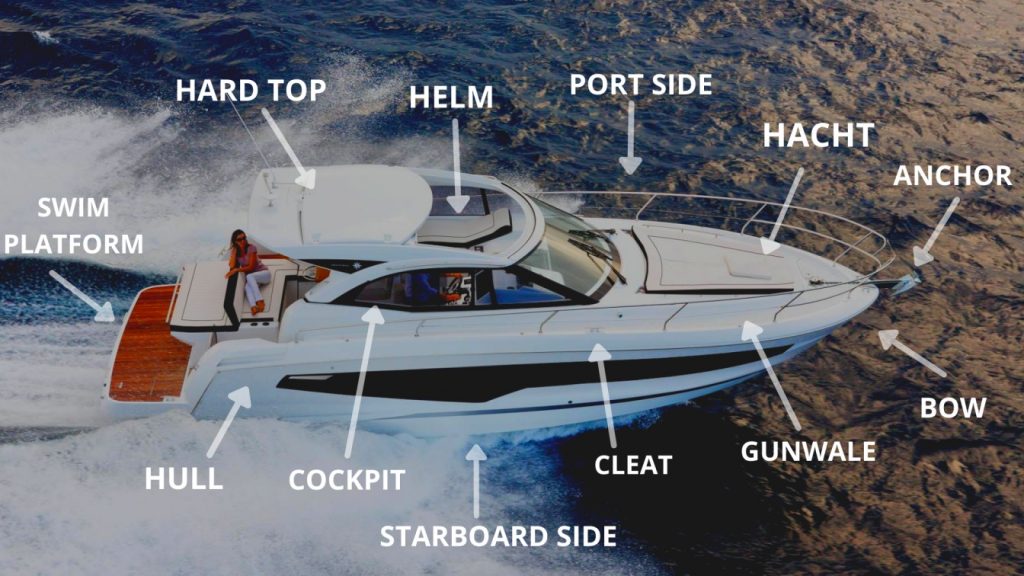
Key areas of the hull:
Bow – The front of the boat- Stern – The rear of the boat
- Port – Left side (when facing forward)
- Starboard – Right side (when facing forward)
2. Deck and Cockpit
Deck
The deck is the flat area where passengers walk and move around. It includes safety features, access to storage, and attachment points for railings and accessories.
Cockpit
The cockpit is the main control and seating area of the boat. This is where you’ll find:
The helm (steering wheel or tiller)- Instrumentation and gauges
- Engine controls
- Seating for passengers
3. Helm and Steering System
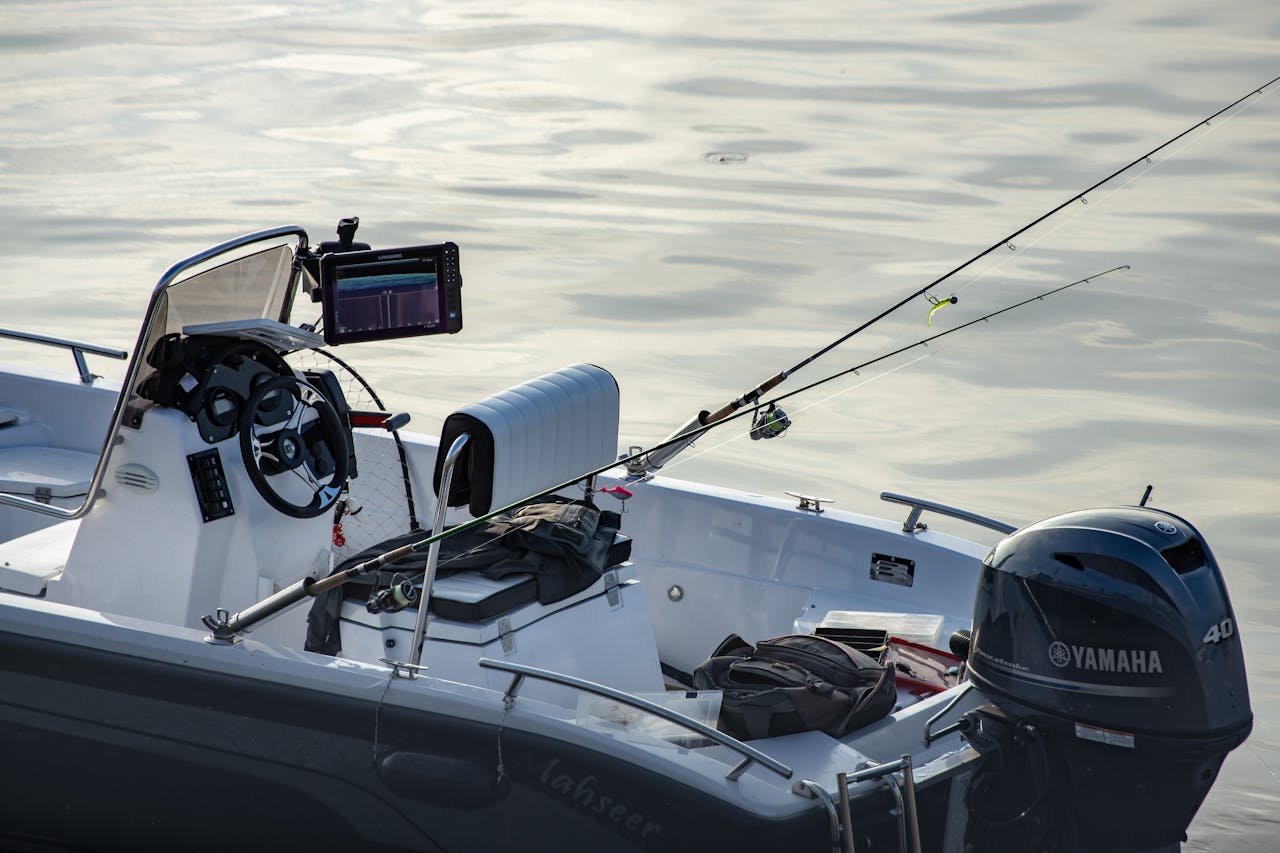
The helm is where the boat is steered and controlled. It usually consists of:
Steering wheel or tiller – Connects to the rudder or outboard motor- Throttle and gear controls – Adjust engine speed and direction
- Instrumentation panel – Displays speed, RPM, fuel, and engine warnings
Modern powerboats may also include GPS, fish finders, and electronic navigation systems at the helm.
4. Engine and Propulsion System
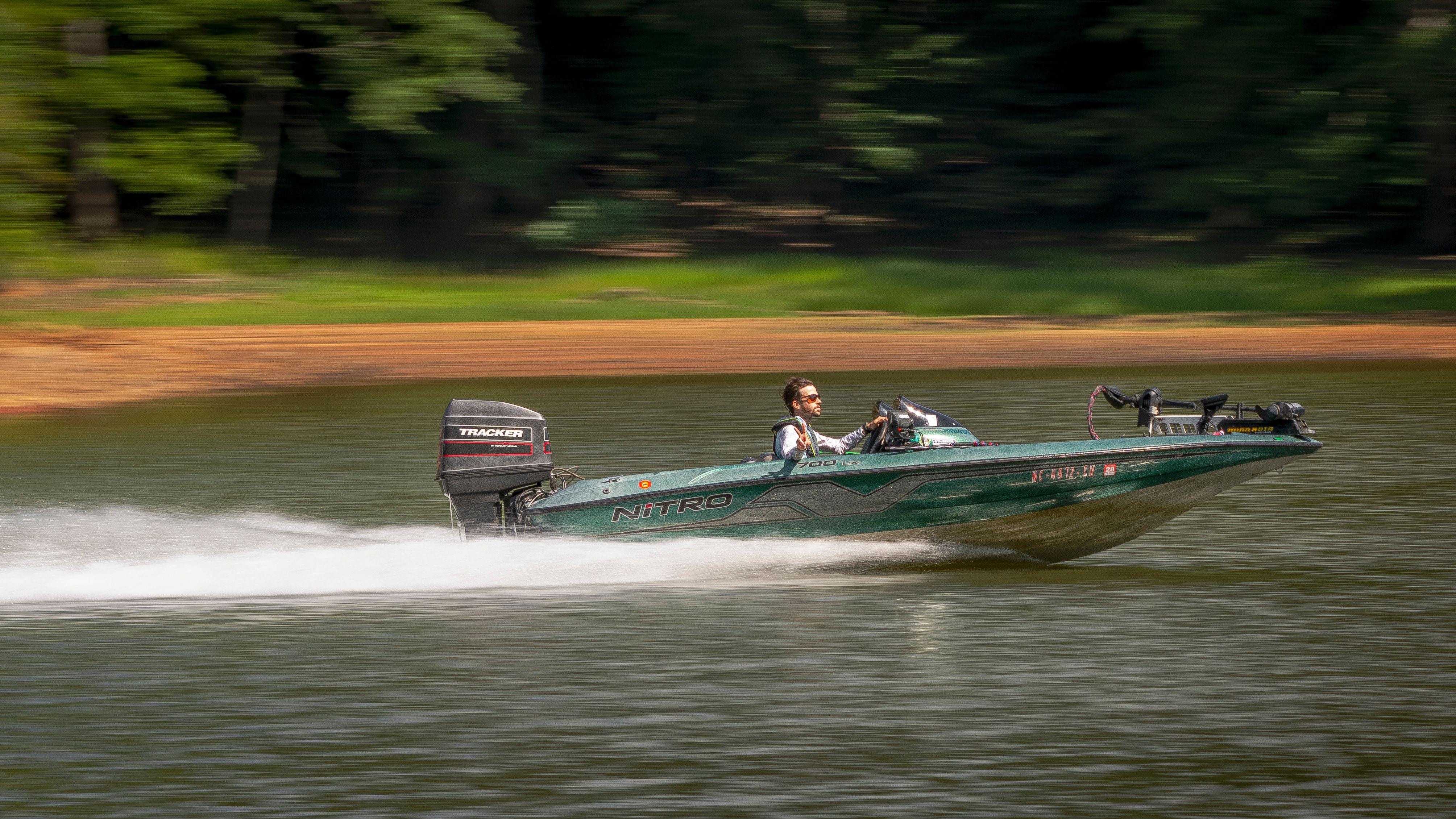
Powerboats are defined by their engines, which can be inboard, outboard, or sterndrive:
Outboard Engine
Mounted on the transom (rear)- Includes engine, gearbox, and propeller
- Easy to maintain and replace
Inboard Engine
Located inside the hull- Connects to a drive shaft and propeller
- Usually more powerful, quieter, and suited for larger boats
Sterndrive (Inboard/Outboard Hybrid)
Inboard engine with an outboard drive unit- Offers good performance and maneuverability
5. Propeller and Drive System
The propeller converts engine power into thrust. Its design affects speed, handling, and efficiency.
Material: Aluminum or stainless steel- Size & Pitch: Determines acceleration vs. top speed
- Number of blades: 2–4 blades depending on performance needs
The drive system may include a lower unit (for outboards) or a shaft (for inboards) connected to the propeller
6. Bow, Stern, and Transom Features
Bow: Front area of the boat; often includes anchor storage or seating- Stern: Rear part; includes swim platforms, ladders, or engine mounting
- Transom: Vertical surface at the stern; supports outboard engines, sterndrive units, or boarding accessories
These areas often have cleats for docking and tie-downs.
7. Fuel and Electrical Systems
Powerboats rely on well-maintained fuel and electrical systems:
Fuel tanks: Store gasoline or diesel; check for leaks and ventilation- Battery: Powers the starter, electronics, and accessories
- Switch panel: Controls lights, pumps, and electronics
- Bilge pump: Removes water from the hull for safety
Routine checks of fuel lines, battery charge, and bilge operation are essential for safe boating.
8. Safety and Navigation Equipment
Every powerboat should carry essential safety gear:
Life jackets (one per passenger)- Fire extinguishers
- Horn or whistle
- Flares and signaling devices
- Navigation lights for night or low visibility
- Anchor and rope
- First aid kit
Proper placement and accessibility of safety equipment can save lives in an emergency.
9. Seating, Storage, and Cabin Areas
Depending on the boat size, powerboats may include:
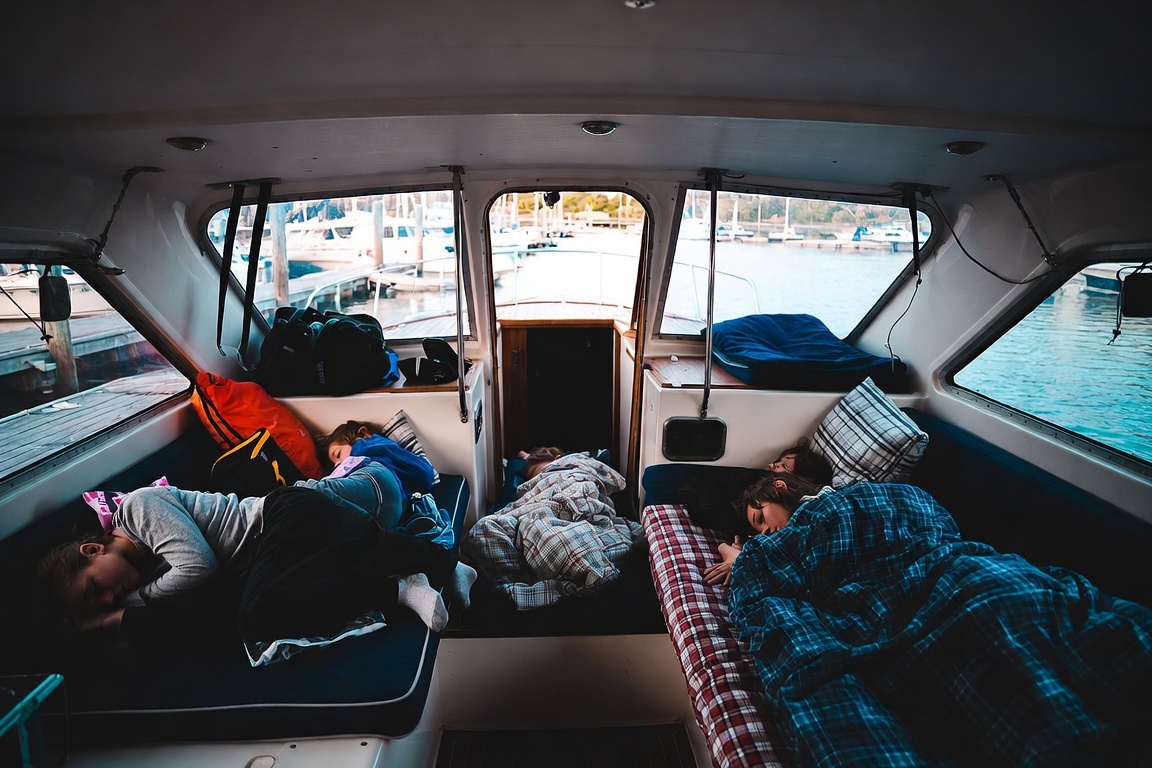
Seating: Helm seats, bench seats, lounge areas- Cabin: Small, enclosed area in larger boats; may include berths, galley, or head
- Storage lockers: Keep gear, lines, and life jackets organized
Even smaller boats typically include compartments to keep essentials dry and secure.
10. Accessories and Hardware
Common hardware and accessories make boating more enjoyable:
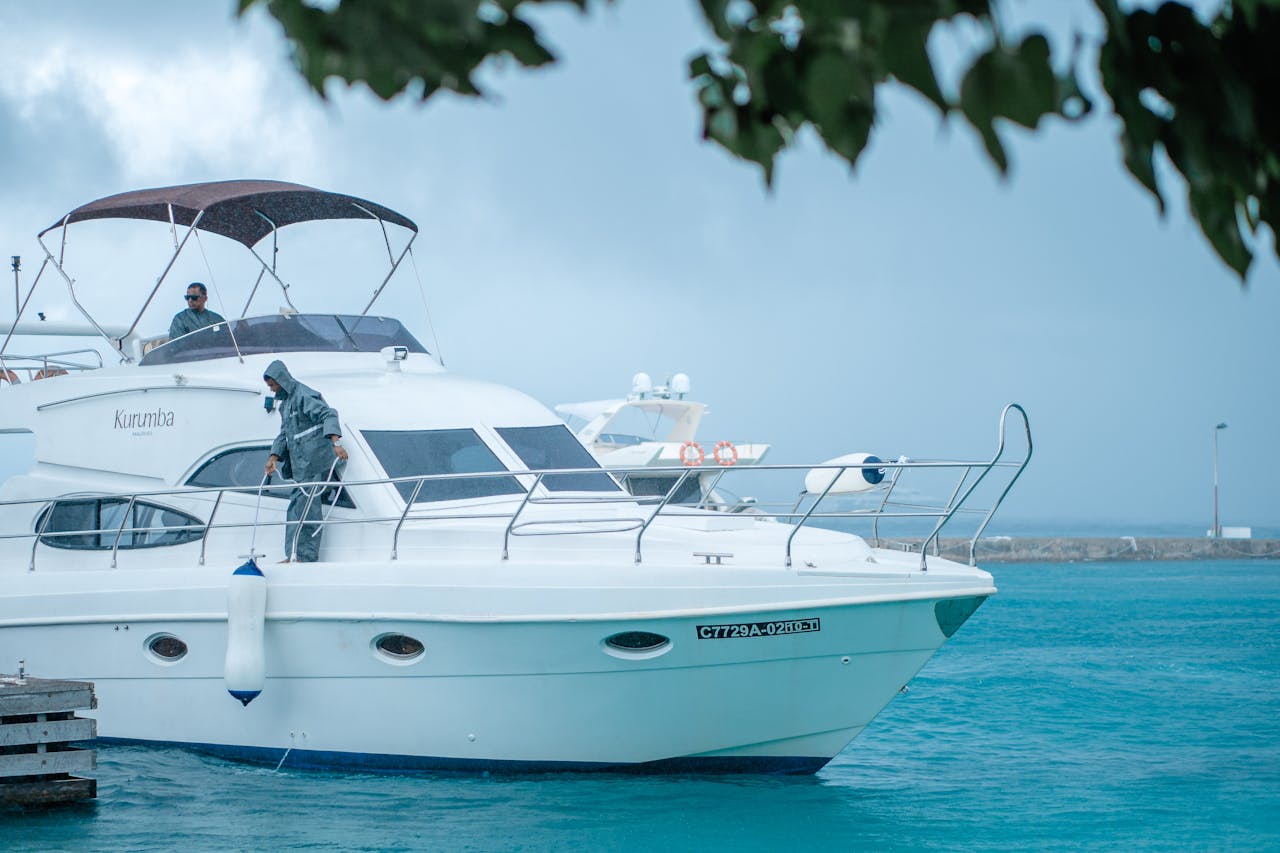
Cleats: Secure lines when docking- Fenders: Protect the hull from bumps
- Rails and grab handles: Safety and stability
- Canopy or Bimini top: Shade for comfort
- Fishing rod holders or ski poles: Specialized for recreational use
Well-chosen accessories improve convenience, safety, and functionality.
Why Understanding Powerboat Parts Matters
Knowing the parts of a powerboat helps you:
Communicate effectively with service providers- Perform maintenance and troubleshooting
- Choose the right boat for your needs
- Stay safe while operating on the water
For buyers, this knowledge ensures you make informed decisions when shopping for a boat or boat parts on a marine marketplace.