.png)
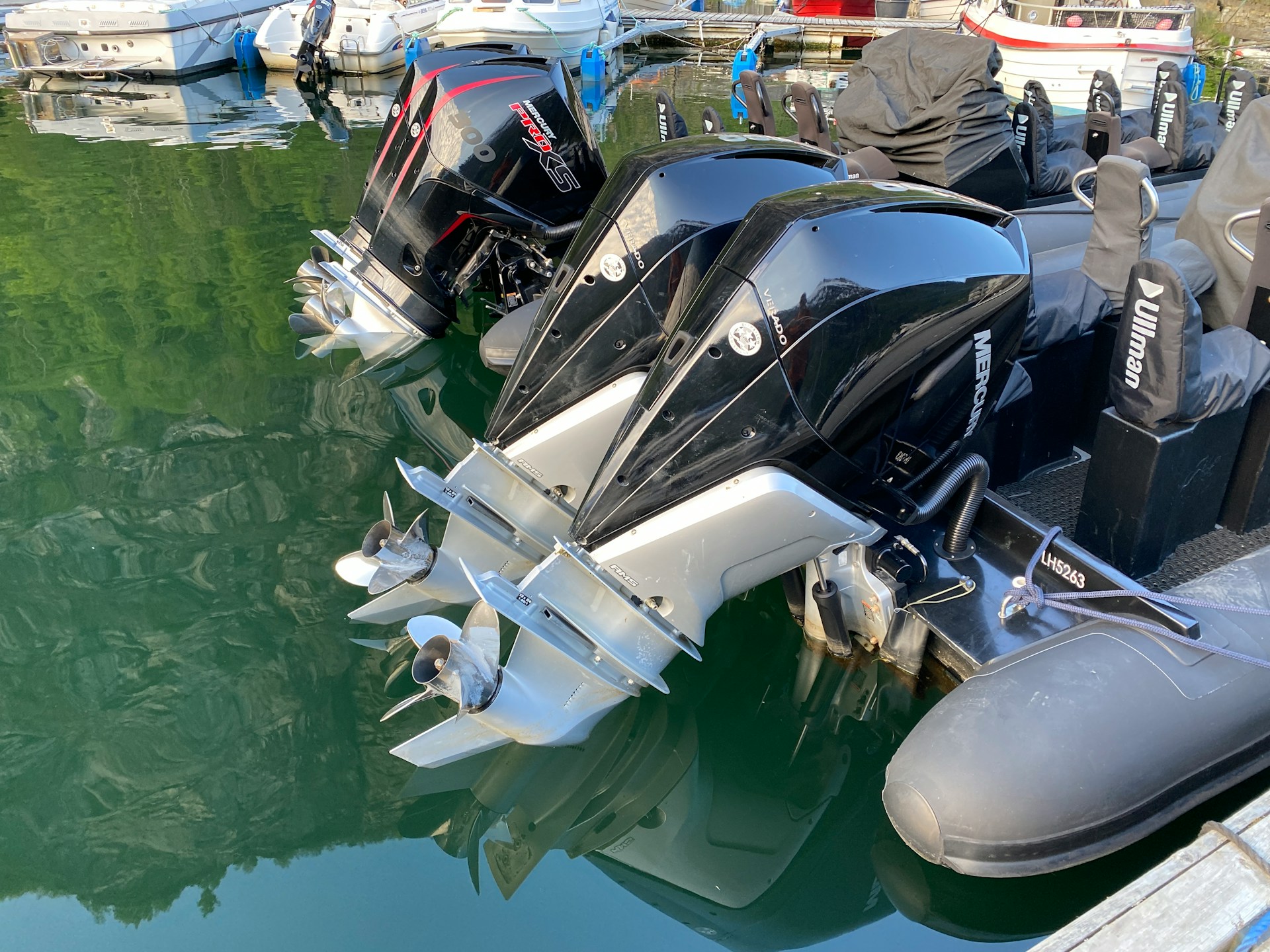
How to Winterize a Boat Motor: A Step-by- Step Guide
By Admin
December 29, 2025
Properly winterizing your boat motor is essential to protect it from cold weather damage and ensure a smooth start next boating season. Freezing temperatures, moisture, and corrosion can severely damage engines, especially in outboard and inboard motors. Whether you’re a new boat owner or a seasoned boater, this step-by-step guide will help you to winterize your boat motor safely and efficiently.
1. Gather the Necessary Supplies
Before starting, make sure you have all required materials:
Fuel stabilizer- Fogging oil
- Marine-grade antifreeze (non-toxic, propylene glycol)
- Oil and oil filter for an engine change
- Gear oil for lower units
- Spark plug wrench
- Freshwater hose
- Basic tools (screwdrivers, pliers, rags, funnel)
Having everything ready ensures the process is smooth and complete.
2. Stabilize the Fuel
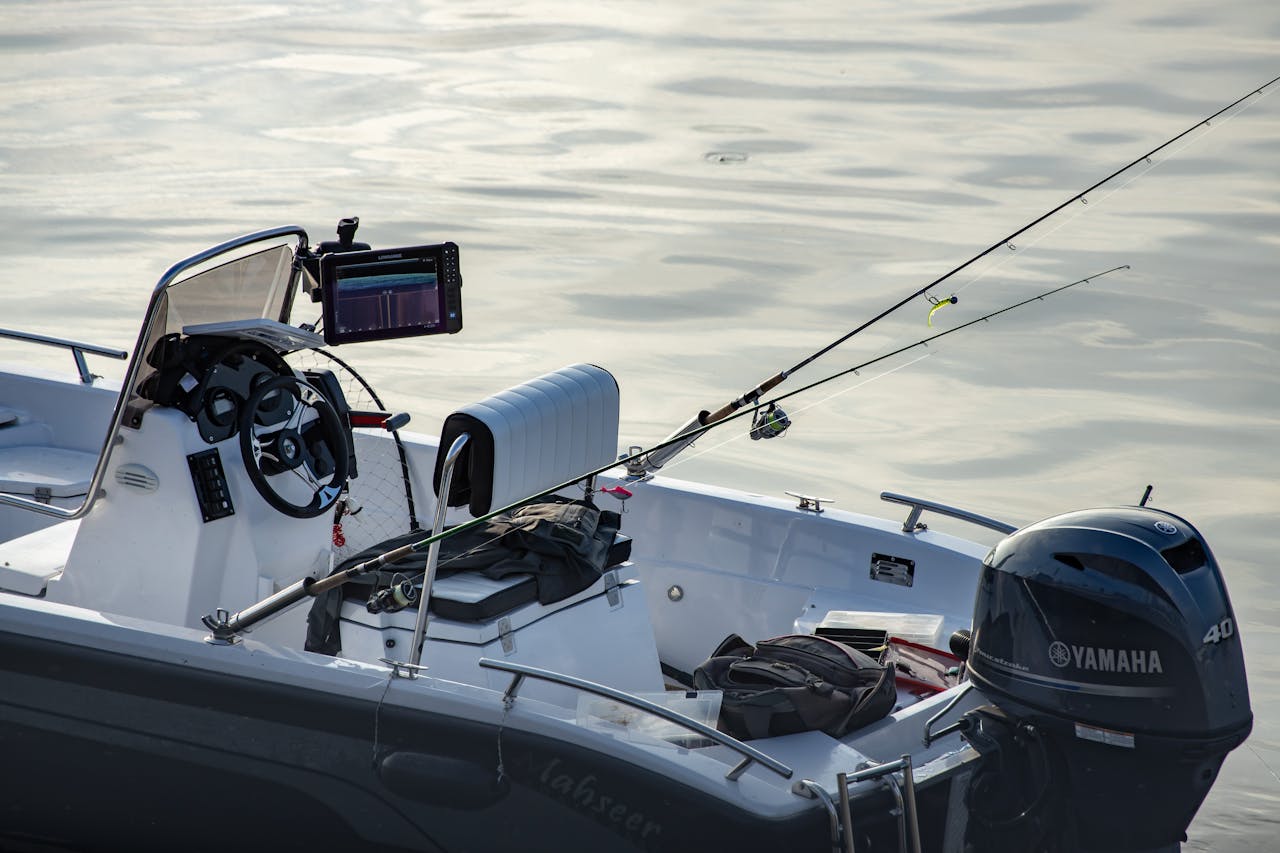
Old or untreated fuel can gum up your engine over winter:
Fill the fuel tank to reduce condensation- Add a fuel stabilizer according to the manufacturer’s instructions
- Run the engine for a few minutes to circulate the stabilizer through the fuel system
Properly treated fuel prevents corrosion and keeps the engine ready for spring.
3. Change the Engine Oil and Filter
Old oil contains moisture and contaminants that can damage internal components:
Run the engine briefly to warm it, then turn it off- Drain the old oil completely and replace the oil filter
- Refill with fresh oil recommended by the manufacturer
Clean oil ensures internal parts are protected during storage.
4. Flush the Engine with Freshwater
Salt, sand, and debris can accumulate in the cooling system:
Connect a freshwater hose to the flushing port (or use earmuffs for outboard motors)- Run the engine at idle for 5–10 minutes to flush salt, dirt, and debris
- For inboard engines, follow manufacturer instructions for flushing
Flushing prevents corrosion and buildup that can damage your engine over the off-season.
5. Add Fogging Oil
Fogging oil protects internal engine components from rust:
Spray fogging oil into the carburetor or intake while the engine is running- Follow the manufacturer’s recommended procedure
- Shut down the engine after fogging
Fogging oil leaves a protective coating on metal parts, preventing corrosion over winter.
6. Drain and Treat the Cooling System
Water left in the cooling system can freeze and crack components:
Drain all water from the engine block, manifolds, and lower unit- Add marine-grade antifreeze to protect against freezing
- For inboards, ensure all lines and pumps are filled with antifreeze
Using non-toxic antifreeze is safe for the environment and ensures complete protection.
7. Protect the Lower Unit and Gear Oil

The lower unit (for outboards or sterndrives) requires special attention:
Drain the lower unit oil completely- Check for water or metal shavings that may indicate wear
- Refill with fresh marine-grade gear oil
Regularly checking and replacing lower unit oil prevents damage and expensive repairs.
8. Remove and Store the Battery
Cold temperatures can damage boat batteries:
Disconnect and remove the battery from the boat- Clean terminals and charge fully
- Store in a cool, dry place and maintain a trickle charge if possible
Proper battery care ensures a strong start when the boating season returns.
9. Cover and Store the Engine
To protect the motor from dust, moisture, and pests:
Tilt the outboard engine upright (if applicable)- Cover with a breathable motor cover or shrink-wrap for long-term storage
- Ensure ventilation to prevent mold and mildew
A proper cover protects both external and internal components.
10. Perform a Final Check
Before leaving your boat for the winter:
Double-check fuel, oil, and antifreeze levels- Ensure all electrical connections are disconnected
- Remove any valuables or gear from the boat
- Inspect for leaks, corrosion, or damage
A thorough final check prevents surprises when spring arrives.
Conclusion
Winterizing your boat motor is a crucial step to protect your investment, prevent costly repairs, and ensure your boat is ready for the next season. By following these steps fuel stabilization, oil changes, engine flushing, antifreeze, fogging oil, and proper storage—you can enjoy peace of mind during the off-season and a smooth start to your next boating adventure.