.png)
How to Safely Load Your Boat Back on the Trailer
By Admin
December 29, 2025
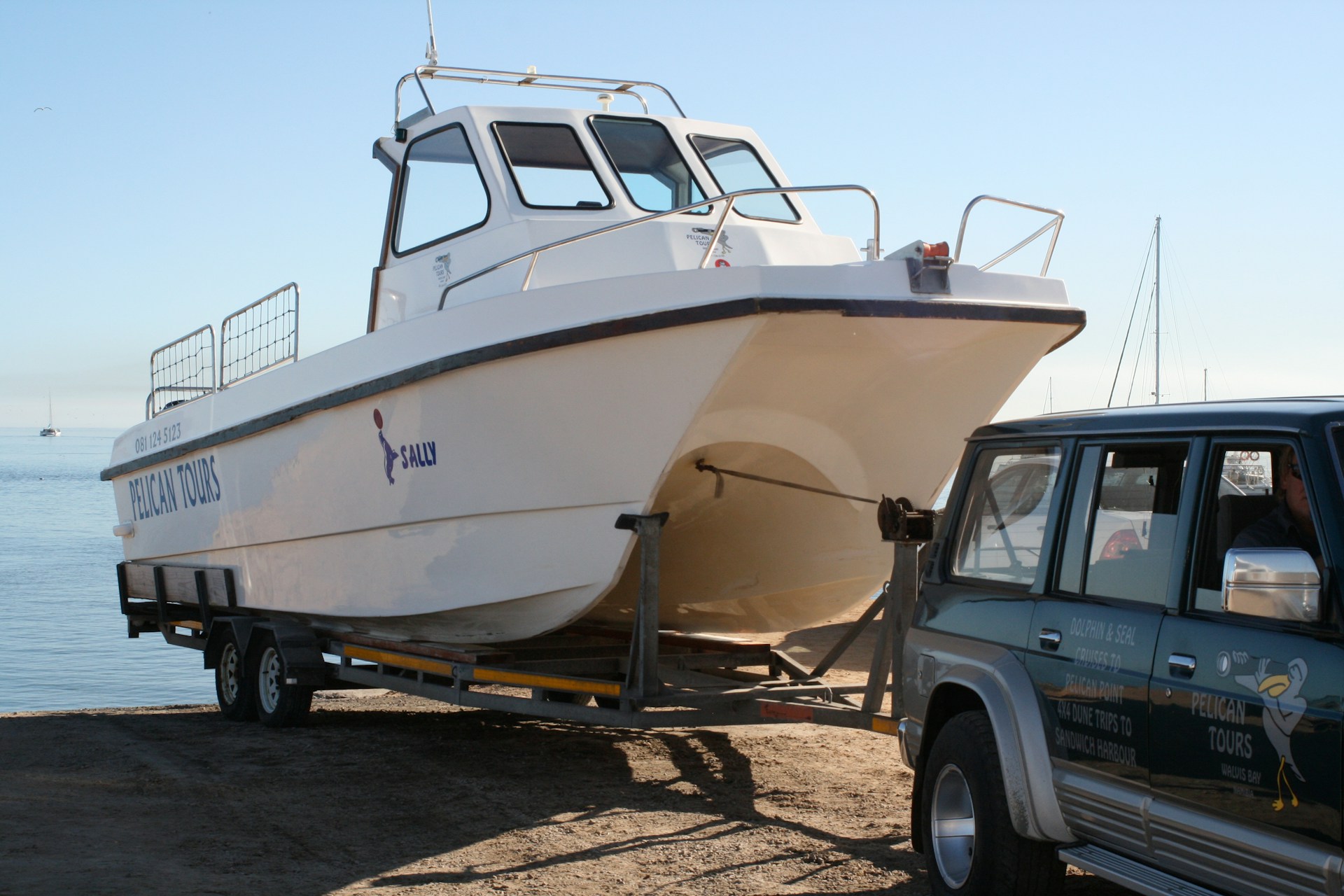
Loading your boat onto the trailer at the end of a long day on the water should be smooth and stress-free. A safe and efficient retrieval process not only protects your boat and trailer but also keeps ramp traffic flowing and avoids costly accidents. Here is a clear, step-by-step guide to loading your boat safely every time.
1. Prepare Your Trailer Before Approaching the Ramp
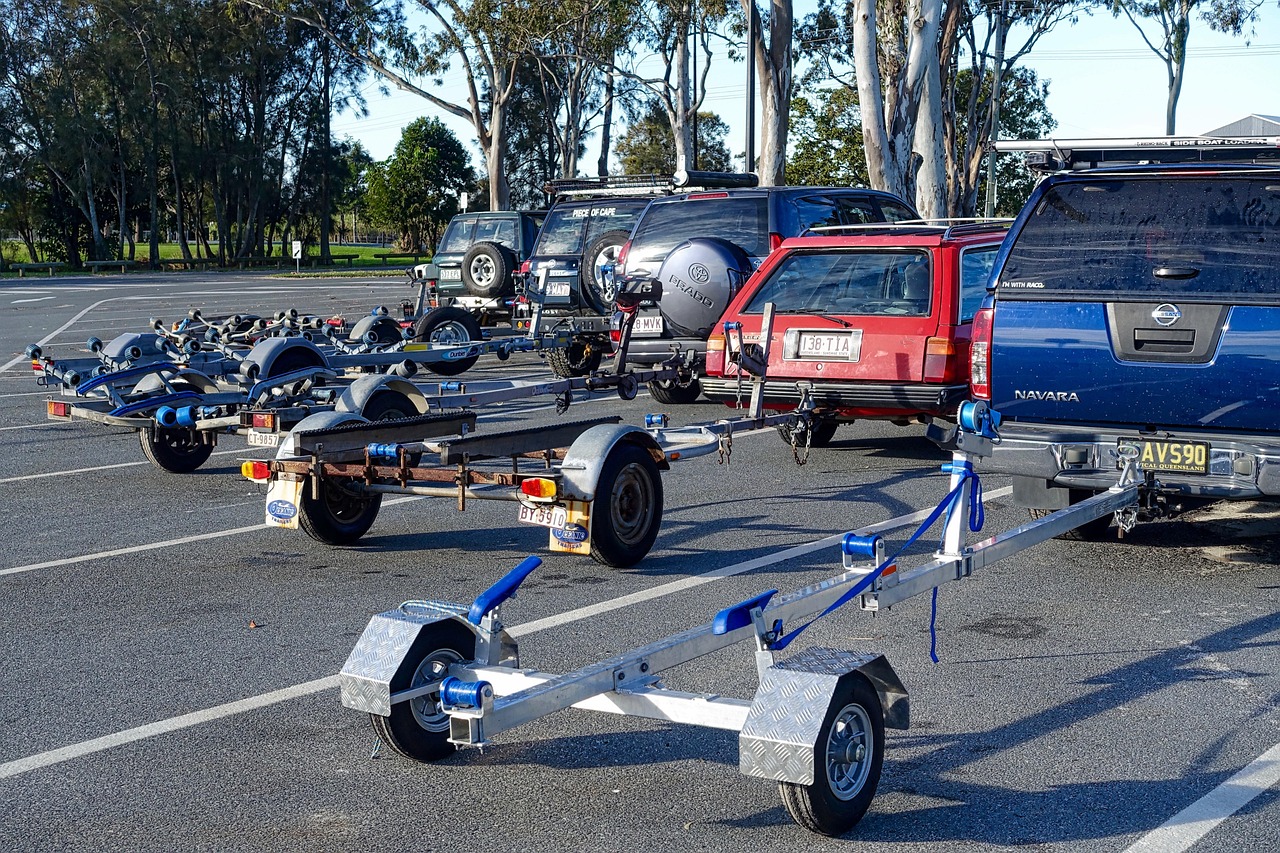
Before backing your trailer into the water, stop in the staging area and get everything ready.
Do the following before getting in line:
Remove the trailer’s rear light covers (if applicable)- Lower or adjust your trailer guide posts
- Check that the winch strap and hook are accessible
- Ensure the trailer is properly aligned and free of debris
- Prepare dock lines and fenders
A few minutes of preparation avoids delays and ensures a smooth loading process.
2. Back the Trailer Into the Water
Positioning your trailer correctly is the foundation of a successful retrieval.
Trailer depth tips:
Back in until the tops of the wheel fenders are just above water- If you have bunks, avoid submerging them too deeply your boat needs friction for alignment
- For roller trailers, submerging deeper reduces friction and helps the boat roll up easier
Use small steering corrections and go slowly. Trailer lights and the ramp angle will help guide your positioning.
3. Approach the Trailer Slowly With the Boat
Drive the boat toward the trailer using slow, controlled movements.
Important considerations:
Approach at idle speed only- Align your bow with the trailer’s centerline
- Use small steering adjustments
- Account for wind or current pushing the boat sideways
Never approach the trailer too fast gentle movement prevents damage.
4. Keep the Boat Centered
As you near the submerged trailer, ensure your hull lines up with the guide posts or bunks.
Stay centered by:
Correcting early rather than late- Using short bursts of throttle if needed
- Letting guide poles assist the alignment
If you feel resistance or drift too far off-center, stop and try again. Forcing the boat can cause hull or trailer damage.
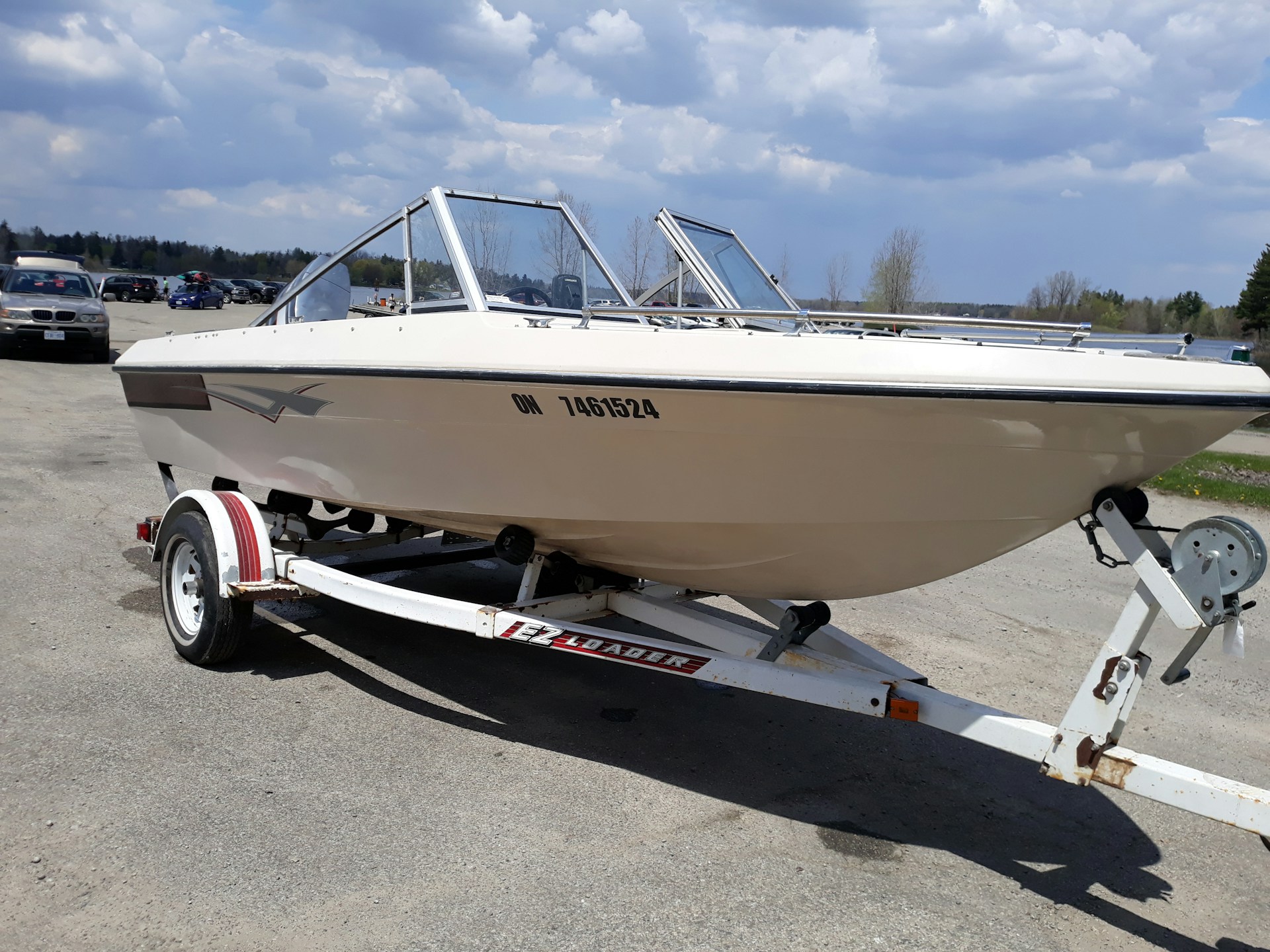
5. Winch the Boat Up the Trailer
Once the boat’s bow reaches the forward rollers or bunks:
Put the engine in neutral- Shut off the engine and lift it clear of the water
- Attach the winch strap to the bow eye
- Crank the winch slowly until the boat is snug against the bow stop
- Attach the safety chain for backup
Never use the boat’s engine to power-load in shallow ramps unless it is allowed this can erode the ramp and cause damage.
6. Secure the Boat for Transport
With the boat fully on the trailer:
Double-check that the bow is fully seated in the bow stop- Add transom straps or stern tie-downs
- Remove drain plug (most people forget!)
- Stow fenders and lines
- Check the trailer lights
This helps prevent the boat from shifting on the road.
7. Move to the Staging Area to Finish Tie-Downs
Keep the ramp clear by driving up the ramp and parking in the designated area before doing final checks:
Verify that tires and bearings look normal- Make sure the engine is fully raised
- Ensure all equipment is secure inside the boat
- Inspect the hitch and safety chains
Only leave the ramp when your boat and trailer are 100% safe for transport.
Extra Tips for Easy and Safe Boat Loading
Practice in calm weather before trying strong currents or wind- Keep your routine consistent each time
- Avoid rushing — most ramp accidents come from feeling pressured
- Inspect your winch strap regularly for wear
- Use trailer guide posts for better visibility in murky water
Following these steps will make loading your boat simple, safe, and frustration-free.