.png)

How to Finance a Boat: Easy Steps and Expert Tips
By Admin
December 29, 2025
How to Finance a Boat: Easy Steps and Expert Tips
Owning a boat is a dream for many, but the upfront cost can be significant. Financing a boat allows you to enjoy boating now while spreading the cost over time. Whether you are buying a new or used boat, understanding how to finance it properly ensures you get the best terms and avoid unnecessary financial strain. This guide provides easy steps and expert tips for financing your boat.
1. Determine Your Budget

Before exploring financing options, know what you can afford:
Purchase price: Consider the type, size, and features of the boat- Down payment: Typically 10–20% of the boat’s price
- Ongoing costs: Insurance, storage, maintenance, fuel, and registration
Knowing your budget helps you choose a boat that fits your lifestyle and prevents overspending.
2. Check Your Credit Score
Your credit score significantly impacts financing options:
Scores above 700 typically receive the best interest rates- Scores below 650 may result in higher interest or stricter terms
- Obtain your credit report and address errors before applying
A healthy credit score improves your chances of approval and better financing terms.
3. Explore Financing Options
Several types of boat financing are available:
a) Bank or Credit Union Loans
Traditional lenders offer competitive interest rates- Loan terms typically range from 5–20 years
- May require good credit and a solid down payment
b) Marine Dealer Financing
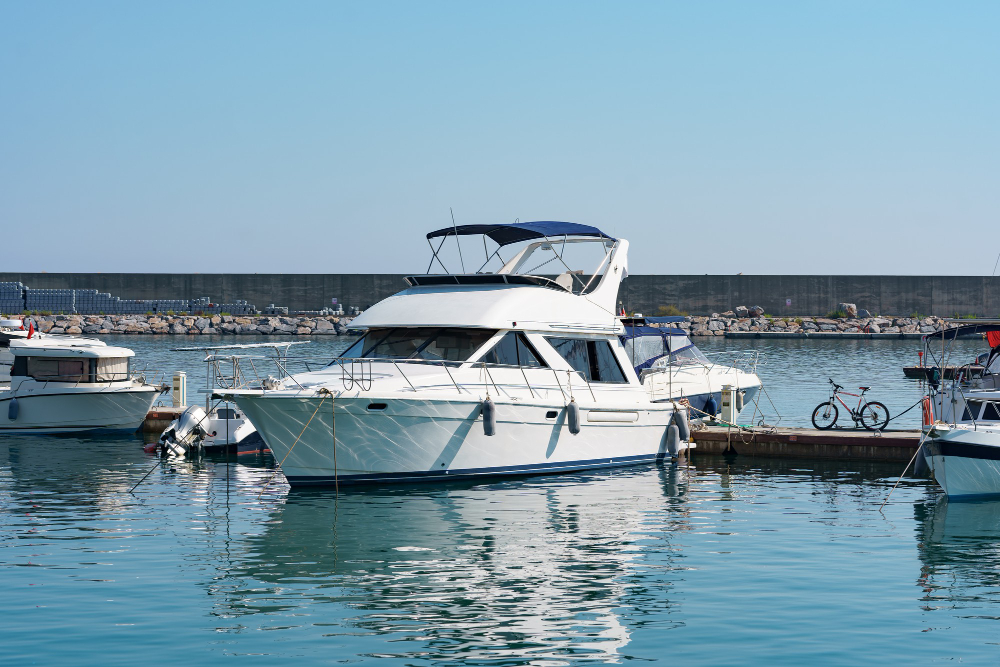
Many boat dealerships provide in-house financing- Often convenient and quick
- May include promotions, but sometimes higher interest rates
c) Personal Loans
Available from banks or online lenders- Usually unsecured, but interest rates are higher
- Shorter repayment terms than traditional boat loans
d) Home Equity Loans or Lines of Credit
Can offer lower interest rates if you own a home- Secured by your home, which carries risk
- Suitable for larger purchases or luxury boats
4. Understand Loan Terms
Before signing any loan, review key terms:
Interest rate: Fixed vs. variable rate affects monthly payments- Loan term: Longer terms reduce monthly payments but may increase total interest
- Down payment: Larger down payments reduce interest and improve approval chances
- Fees & penalties: Watch for origination fees, prepayment penalties, or late fees
Knowing the details prevents surprises and keeps your loan affordable.
5. Calculate Your Monthly Payment
Use a simple formula or online loan calculator to estimate payments:
Monthly Payment=Loan AmountInterest Rate1-(1+Interest Rate)-Term in Months
Ensure your monthly payment fits within your budget alongside insurance, storage, and maintenance costs.
6. Gather Necessary Documentation
Lenders will require documentation to process your loan:
Proof of income (pay stubs or tax returns)- Bank statements and credit history
- Identification (driver’s license, passport)
- Boat purchase agreement or invoice
- Insurance documentation
Having these ready speeds up the approval process.
7. Consider Insurance Before Financing
Most lenders require insurance before approving a loan:
Protects your investment in case of accidents, theft, or damage- May be required for financing approval
- Compare policies to find the best coverage and rates
8. Apply and Compare Offers
Apply to multiple lenders to compare rates and terms:
Look for the lowest annual percentage rate (APR)- Consider total cost over the loan term
- Read reviews or ask for recommendations to ensure trustworthy lenders
Comparing options helps you get the best deal for your financial situation.
9. Make Your Payments on Time
Once approved:
Set up automatic payments to avoid late fees- Keep track of your loan balance and interest
- Avoid missing payments, as it can negatively affect your credit
Consistent payments protect your credit score and future financing options.
10. Plan for Additional Cost
Financing a boat isn’t just about the monthly payment. Remember:
Maintenance and repairs- Fuel and storage fees
- Upgrades or accessories
- Docking or marina fees
Include these in your budget to ensure enjoyable boating without financial stress.
Expert Tips for Boat Financing
Shop around – Don’t accept the first loan offer- Negotiate the purchase price – Reduces loan amount and interest
- Consider a larger down payment – Improves approval chances and reduces interest
- Understand depreciation – Boats lose value; plan for resale or trade-in
- Check for seasonal promotions – Dealers may offer 0% financing or reduced rates
Conclusion
Financing a boat allows you to enjoy the water immediately while managing costs over time. By understanding your budget, exploring financing options, reviewing loan terms, and planning for ongoing expenses, you can make informed decisions and enjoy your new boat with confidence.
Financing doesn’t have to be complicated approaching it step by step, and your boating dreams can become reality.